





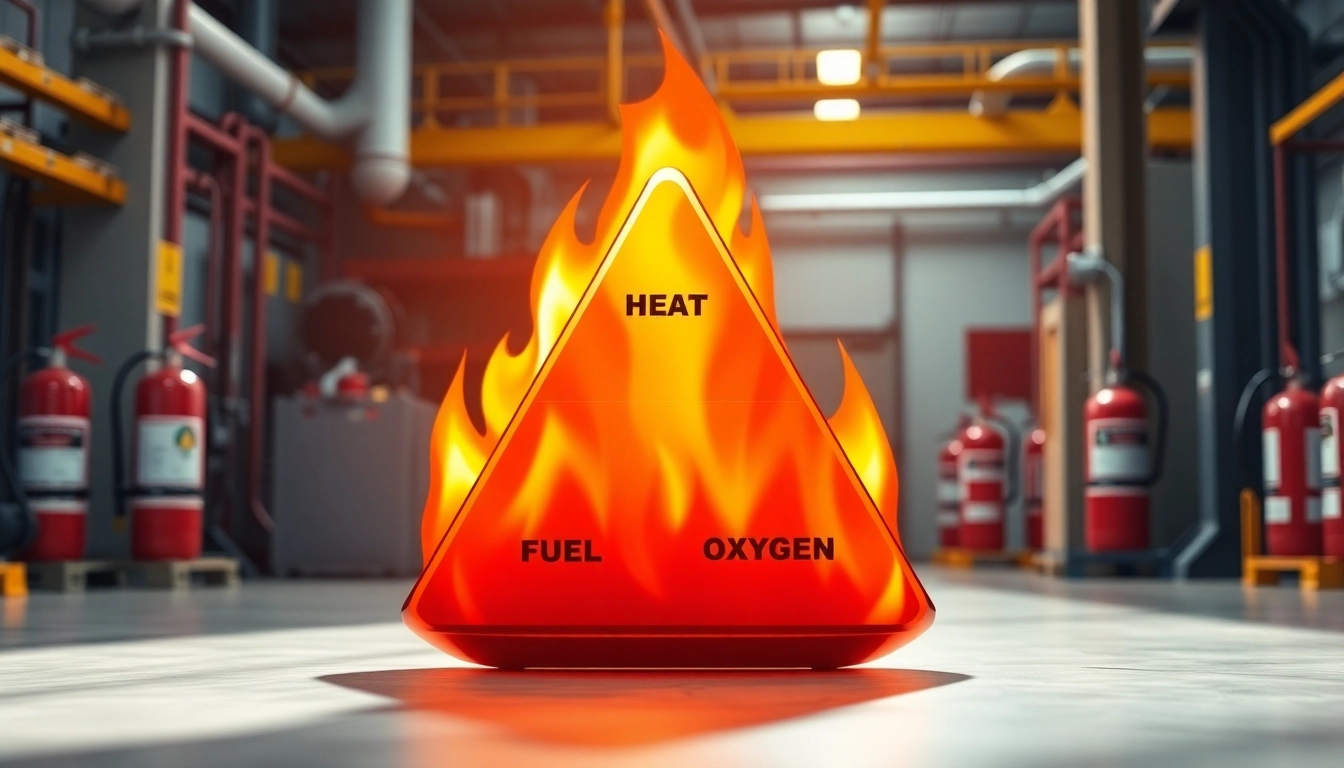
What is the Fire Tetrahedron?
Definition of Fire Tetrahedron
The fire tetrahedron is a four-sided figure that represents the essential elements required for a fire to ignite and sustain itself. Unlike the traditional fire triangle that includes fuel, heat, and oxygen, the fire tetrahedron adds a fourth element: a chemical chain reaction. This additional element highlights the importance of understanding how fires can spread and the mechanisms through which they can be controlled. For an in-depth exploration of its application in fire safety, see how the fire tetrahedron serves as a useful model for both prevention and suppression techniques.
Importance in Fire Safety
The fire tetrahedron is crucial for effective fire safety strategies, as it lays the foundation for understanding fire behavior. By grasping how each of the four elements interacts, individuals and organizations can formulate effective measures to avert fires, safeguard property, and most importantly, save lives. The tetrahedron’s design allows firefighters and safety officers to visualize fire dynamics and create tailored responses to various fire scenarios.
Historical Background
The concept of the fire tetrahedron emerged from early fire science research when it was recognized that simply knowing the three elements of fire was insufficient for understanding the complexities of combustion. Fire has been both a friend and an enemy throughout human history, and as the science of combustion developed, so did our understanding of how different materials interact under heat and oxygen conditions. This evolution paved the way for advancements in both industrial and residential fire safety protocols.
The Four Elements of the Fire Tetrahedron
Understanding Heat
Heat is the first element of the fire tetrahedron and serves as the energy source necessary for combustion to occur. The ignition temperature varies for different materials, but in general, a certain amount of heat must be present to initiate or sustain a fire. This can be derived from various sources, including flames, electrical sparks, and friction. Understanding how to manage heat sources is vital in both preventing accidental ignitions and controlling existing fires.
The Role of Fuel
Fuel refers to any combustible material, whether solid, liquid, or gaseous, that can undergo combustion when heat and oxygen are present. Examples include wood, gasoline, and propane. The type and quantity of fuel available significantly influence the intensity and duration of fires. Proper storage and handling of fuels, along with implementing fire-resistant materials in construction, are effective strategies for fire prevention.
Oxygen’s Contribution
Oxygen is crucial for the combustion process, making up approximately 21% of the Earth’s atmosphere. A fire will usually extinguish without an adequate supply of oxygen, which typically means ensuring ventilation in enclosed spaces where fires might start, as increased oxygen can lead to rapid fire spread. Firefighting techniques often involve limiting oxygen access to the fire source as a method of suppression.
How the Fire Tetrahedron Works
The Interrelation of Elements
The four elements of the fire tetrahedron—heat, fuel, oxygen, and the chemical chain reaction—are interconnected in such a way that the removal of any one of these elements can extinguish a fire. Understanding this relationship is essential for fire safety management. For instance, applying water reduces heat, while extinguishers can eliminate oxygen around the fire. The combination of these methods can effectively control and eliminate fire threats.
Fire Prevention Methods
Effective fire prevention involves actively reducing the likelihood of all four elements of the fire tetrahedron coming together. This includes maintaining a safe environment by reducing flammable materials, ensuring proper electrical safety, and implementing regular fire safety training. Employing strategies such as smoke alarms, fire-resistant building materials, and fire breaks can significantly reduce fire hazards.
Fire Suppression Techniques
Fire suppression techniques aim to disrupt one or more elements of the fire tetrahedron to extinguish a fire. Techniques include the use of water to cool down heat and displace oxygen, the application of foam to smother flames and inhibit oxygen, and the deployment of chemical agents that interrupt the chemical chain reaction. Understanding which technique to use varies depending on the type of fire and the materials involved.
Common Misconceptions about the Fire Tetrahedron
Debunking Myths
One prevalent myth is that fire requires only fuel, heat, and oxygen to ignite. This oversimplifies the ignition process as it ignores the critical role of the chemical chain reaction. Without the continual reaction of gases during combustion, a fire cannot sustain itself. Failing to recognize this can lead to inadequate fire safety measures.
Clarifying Misunderstandings
Another misunderstanding is that once a fire is extinguished, it is entirely safe to resume activities without precaution. Residual heat or embers can still ignite new fires, particularly in materials like wood. Understanding that monitoring remains essential even after a fire appears to be out is vital for effective fire safety management.
Importance of Accurate Information
Providing accurate information regarding the fire tetrahedron and its elements fosters a more thorough understanding of fire safety. Training and educational programs that cover the science of fires, focusing on how to respond effectively, can save lives and property. Misunderstandings can lead to destructive outcomes, emphasizing the need for reliable information in fire safety education.
Implementing Fire Safety Using the Fire Tetrahedron
Workplace Safety Protocols
In the workplace, implementing fire safety protocols grounded in the fire tetrahedron begins with training employees about the four elements of fire. Regular fire drills, proper equipment storage, and clear escape routes are essential components. Employers should put systems in place to regularly check and maintain fire alarms, extinguishers, and other safety equipment to ensure readiness in case of a fire.
Home Fire Safety Strategies
Homeowners can utilize the principles of the fire tetrahedron to safeguard their families. This includes installing smoke detectors, creating a clear evacuation plan, and regularly checking heating elements to prevent fires. Responsible storage of flammable materials and educating family members about fire safety can significantly mitigate risks. A well-informed household is better equipped to handle potential fire emergencies.
Important Fire Safety Equipment
Having the correct fire safety equipment is crucial for both prevention and suppression. Fire extinguishers, smoke alarms, sprinkler systems, and fire blankets serve as the first line of defense in a fire emergency. Knowing the appropriate extinguisher types, such as foam or dry powder, based on the fire class can make all the difference in effectively combating a fire. Regular maintenance of this equipment is necessary to ensure functionality.
FAQs about Fire Tetrahedron
What are the four elements of the fire tetrahedron?
The four elements are heat, fuel, oxygen, and a chemical chain reaction, all essential for a fire to ignite and sustain.
How can I prevent fires at home?
Prevent fires by installing smoke detectors, keeping flammable materials away from heat sources, and creating an emergency escape plan.
What should I do if there is a fire?
If a fire occurs, prioritize evacuating the area, calling emergency services, and using a fire extinguisher if safe to do so.
How does the fire tetrahedron apply to firefighting?
Firefighters use the fire tetrahedron to determine which element to remove to extinguish the fire effectively, employing cooling, smothering, or interrupting the chemical reaction.
Why is the fire tetrahedron important?
The fire tetrahedron offers a comprehensive framework for understanding and managing fire risks, thereby enhancing fire safety protocols and strategies.




More Stories
Tear Strength Tester Traps: What to Watch Out For in 2026
Enhancing Construction Site Safety: Best Practices and Guidelines
Comprehensive Guide to Enhancing Construction Site Safety