





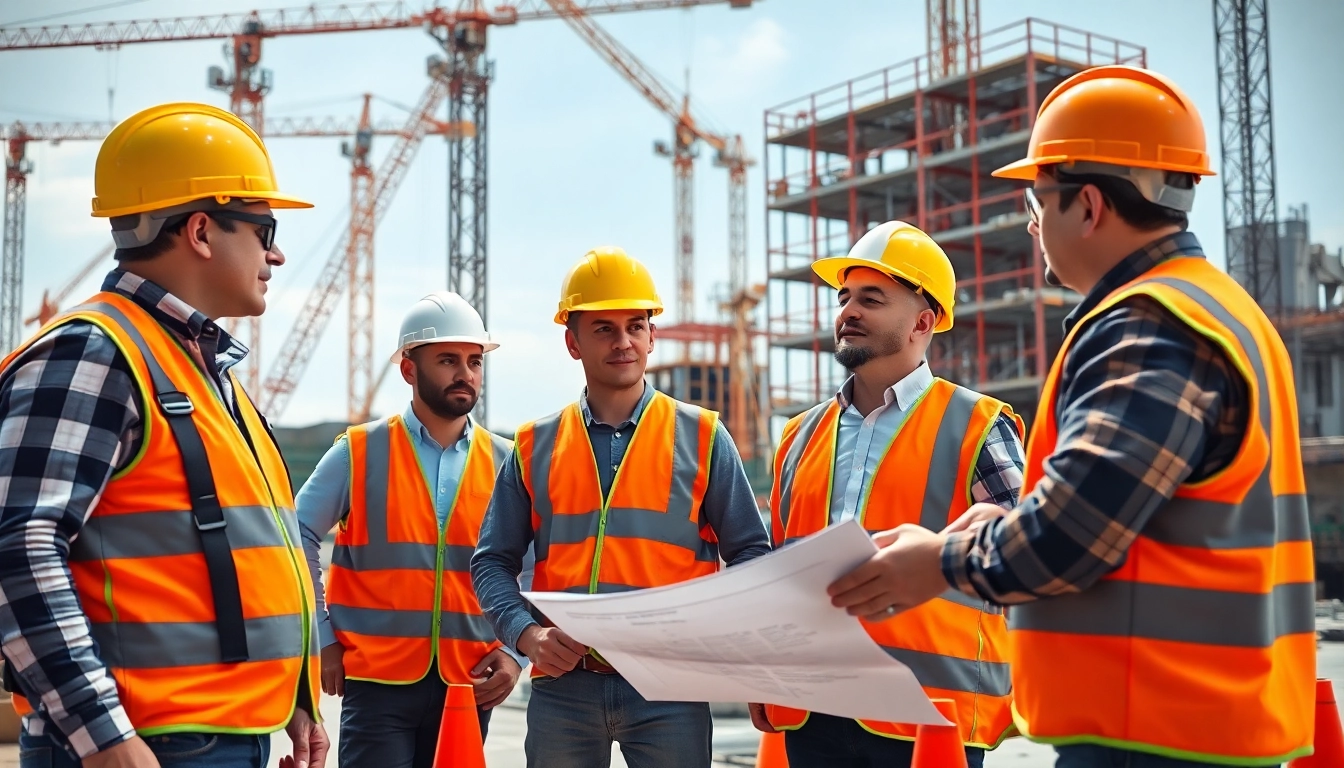
Introduction to Construction Site Safety
Construction sites are bustling environments filled with activity, innovation, and intricate operations. However, they are also fraught with potential dangers, making construction site safety imperative. Understanding the multifaceted nature of safety on construction sites is essential for creating a secure working environment. From recognizing the inherent risks to implementing effective safety protocols, a comprehensive approach to construction safety is paramount.
Understanding the Importance of Safety
Safety on construction sites is not merely a regulatory requirement but a fundamental aspect of operational efficiency and employee wellbeing. Accidents can lead to severe injuries, project delays, and financial strains. Prioritizing safety ultimately fosters a culture of care and responsibility. By investing in robust safety measures, companies can significantly reduce the likelihood of incidents, which translates to higher productivity and enhanced morale.
Key Regulations and Compliance
Understanding the specific regulations governing construction site safety is crucial for compliance and risk management. Governmental bodies, such as OSHA in the United States, set forth guidelines that construction companies must follow. These regulations cover various aspects, including personal protective equipment (PPE), training requirements, and safety standards for machinery and tools. Non-compliance can lead to hefty fines and legal repercussions, emphasizing the need for vigilance in adhering to these standards.
Common Risks Found on Construction Sites
Construction sites present various risks that workers must navigate daily. Common hazards include:
- Falls: One of the leading causes of injuries, particularly from heights, where proper fall protection is essential.
- Struck by Objects: Tools, materials, and equipment can fall or be dropped, posing risks to workers.
- Electrical Hazards: Improper handling of electrical installations can lead to electrocution or fires.
- Machine Injuries: Heavy machinery can result in severe injuries if not operated safely.
- Exposure to Harmful Substances: Construction work may involve handling hazardous materials, necessitating proper training and safety gear.
Essential Safety Equipment
Investing in the right safety equipment is one of the most significant steps toward enhancing safety on construction sites. This equipment not only protects workers but also helps instill a sense of security within the workforce.
Personal Protective Equipment (PPE)
Personal Protective Equipment (PPE) is crucial in shielding workers from potential hazards. Essential PPE items include:
- Hard Hats: Protect against head injuries from falling objects.
- High-Visibility Clothing: Ensures workers are easily seen, reducing the risk of accidents.
- Safety Glasses: Protects eyes from debris and harmful substances.
- Gloves: Offers hand protection while allowing dexterity for various tasks.
- Steel-Toe Boots: Prevents foot injuries from heavy objects falling on feet.
Safety Tools and Their Uses
Beyond personal protective gear, having the right tools is critical for maintaining safety. Common safety tools include:
- Ladders: Must be stable and rated for the type of work being performed, to prevent falls.
- Scaffolding: Provides a safe platform for workers to operate at heights.
- Safety Harnesses: Essential when working at elevations to prevent falls.
- Fire Extinguishers: Should be accessible and suitable for various types of fires commonly encountered on sites.
- First Aid Kits: Must be stocked and readily available to address injuries promptly.
Equipment Maintenance for Safety
Proper maintenance of safety equipment and tools is paramount to ensure they function correctly when needed. Regular checks and servicing can identify wear and tear, preventing potential failures. Implementing a routine maintenance schedule helps maintain optimal conditions, reducing associated risks and liability. Additionally, staff should be trained on the inspection procedures to identify when equipment needs repair or replacement.
Training and Education Programs
Effective training is the backbone of any construction site safety strategy. Continuous education ensures that workers are capable of identifying risks and managing them appropriately.
Effective Training Techniques
Implementing diverse training techniques caters to various learning styles and helps reinforce safety concepts. Strategies may include:
- Hands-On Training: Engaging workers in practical scenarios enhances retention and understanding.
- Workshops and Seminars: These sessions can cover specific safety topics with industry experts providing insights.
- Online Learning Modules: Flexible e-learning platforms allow workers to train at their own pace and revisit materials as needed.
- Simulations: Creating scenarios that mimic potential site hazards allows workers to practice responses in a controlled environment.
Continuous Education for Workers
The construction industry is ever-evolving, with new technologies and methodologies coming to the forefront. Continuous education ensures that workers stay up-to-date on the latest safety practices, tools, and regulatory changes. Regular refresher courses can reinforce knowledge and highlight emerging hazards.
Measuring Training Success
It’s vital to assess the effectiveness of training initiatives. Key performance indicators such as incident reduction, employee feedback surveys, and participation rates can offer insights into training impact. Utilizing anonymous feedback forms can encourage open dialogue concerning the training process, leading to improvements and enhancements in future programs.
Creating a Safety Culture
Fostering a safety culture within an organization encourages collective responsibility for workplace safety.
Leadership’s Role in Promoting Safety
Leadership plays a significant role in shaping workplace safety culture. Leaders should prioritize safety in decision-making processes and demonstrate their commitment through consistent actions. When leaders model safety behaviors, employees are more likely to embrace and adopt these practices themselves. Visible leadership involvement in safety initiatives communicates the value of safety to all workers.
Involving Workers in Safety Protocols
Involving workers in the development of safety protocols not only garners their buy-in but also enhances the effectiveness of these measures. Workshops and discussions can facilitate employee input, leading to more practical and realistic safety protocols that take into account the realities of day-to-day operations.
Recognizing and Rewarding Safe Practices
Implementing recognition programs is an effective way to encourage safe practices. Celebrating individuals or teams who consistently adhere to safety measures creates positivity around safety and encourages others to follow suit. Rewards can be tangible, such as bonuses or accolades, or intangible, like public recognition during meetings.
Monitoring and Improving Safety Standards
Monitoring safety standards ensures ongoing vigilance concerning potential hazards. Continuous improvement must be a goal to adapt to changing conditions on construction sites.
Assessing Safety Hazards Regularly
Regular assessments of safety hazards are essential practices to safeguard workers on construction sites. These assessments should include identifying potential hazards, evaluating the effectiveness of existing controls, and determining areas for further improvement. Keeping a proactive stance on safety management maximizes the efficacy of safety measures.
Implementing Feedback Mechanisms
Establishing feedback mechanisms allows workers to report safety concerns without fear of repercussions. Whether through suggestion boxes, regular safety meetings, or digital platforms, creating a culture where feedback is valued can enhance safety measures and promote participatory safety management. Encouraging open communication minimizes the risk of hazards going unnoticed.
Case Studies of Successful Safety Practices
Learning from successful safety implementations can provide valuable insights. For instance, organizations that have implemented comprehensive safety training programs frequently report reduced incident rates and improved employee morale. These case studies not only offer practical applications of safety regulations but also motivate others to enhance their safety efforts.
FAQs about Construction Site Safety
What is the most crucial aspect of construction site safety?
The most crucial aspect is comprehensive training for all employees, ensuring they are aware of risks and how to mitigate them.
How often should safety equipment be inspected?
Safety equipment should be inspected regularly, typically before each use, with comprehensive checks conducted annually or bi-annually.
What role does leadership play in construction safety?
Leadership is vital in promoting a culture of safety through modeling behaviors, increasing awareness, and ensuring compliance with safety regulations.
Why is PPE essential on construction sites?
PPE is essential to protect workers from job site hazards, reducing the risk of injury from falls, flying debris, or exposure to harmful substances.
How can feedback improve construction site safety?
Feedback empowers workers to voice concerns and suggestions, leading to refinements in safety protocols that directly address on-site risks.




More Stories
Tear Strength Tester Traps: What to Watch Out For in 2026
Comprehensive Guide to Enhancing Construction Site Safety
Effective Strategies for Construction Safety Training to Enhance Worker Protection