





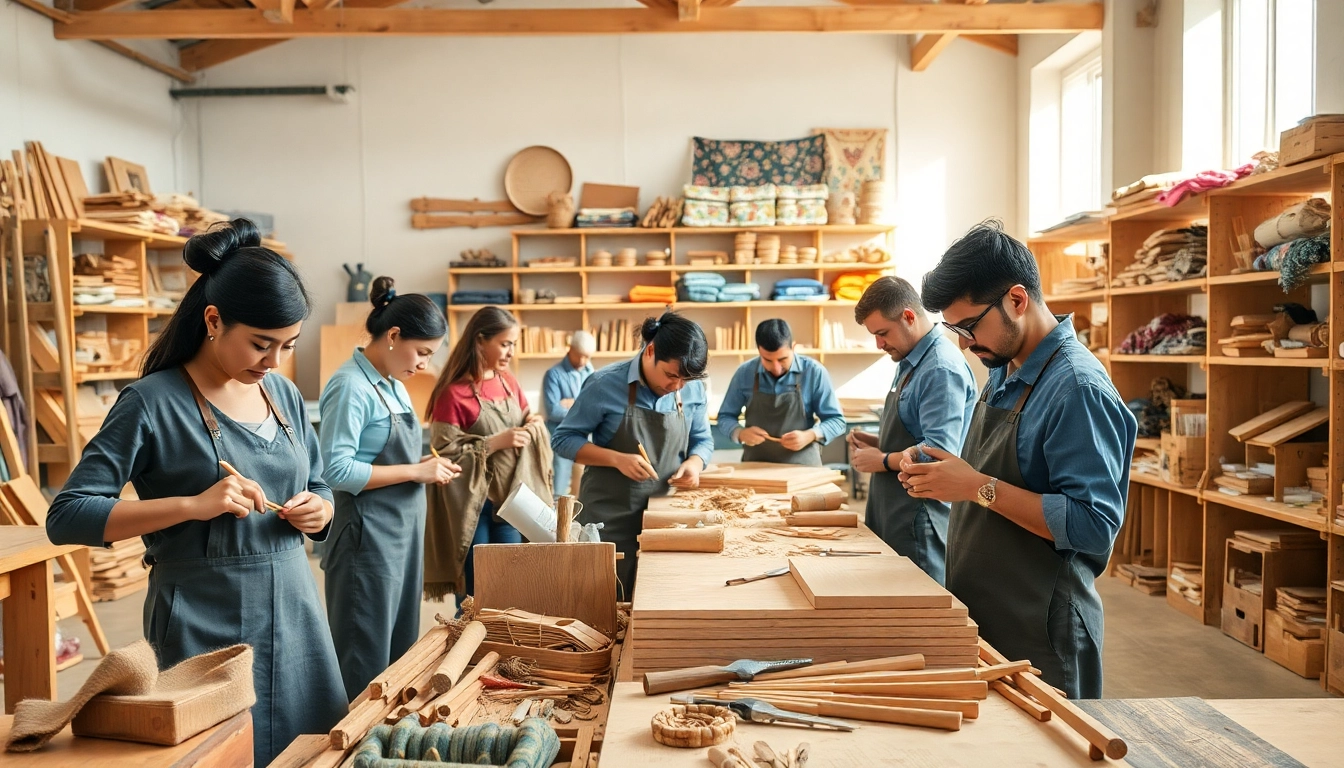
Introduction to Craft Training Programs
As the world continues to evolve, the demand for skilled artisans in various sectors is on the rise. Craft training programs offer individuals the opportunity to learn practical skills, enhance creativity, and foster a community-oriented approach to craftsmanship. In this comprehensive guide, we will explore various aspects of craft training programs, their significance, benefits, and how to choose the right program for your personal and professional growth.
What are Craft Training Programs?
Craft training programs are specialized educational courses designed to provide individuals with the knowledge and skills necessary to excel in specific crafts. These programs vary widely in terms of content, structure, and delivery, ranging from formal classroom instruction to hands-on workshops in fields such as woodworking, ceramics, textiles, metalwork, and beyond. They cater to a diverse audience, including beginners looking to learn a new skill, as well as experienced artisans aiming to refine their craft and explore new techniques.
Importance of Craft Skills in Today’s Market
In an increasingly automated and digitized economy, the value of handmade and artisanal goods has skyrocketed. Craft skills not only represent personal expression but also offer unique selling propositions in the marketplace. Sectors such as fashion, home decor, and custom fabrication seek individuals who possess specialized craft skills. Ultimately, with a growing appreciation for artisanal craftsmanship, participants in craft training programs can carve out successful careers that hinge upon both their technical abilities and artistic insights.
Overview of Common Craft Disciplines
Craft training programs encompass a broad range of disciplines, appealing to various interests and talents. Some of the most popular craft disciplines include:
- Woodworking: This discipline includes furniture making, cabinetry, and woodturning, utilizing tools to shape and join wood creatively.
- Textiles: Encompasses sewing, weaving, quilting, and embroidery, allowing participants to create clothing, art, and functional items from fabric.
- Ceramics: Focuses on shaping clay into artistic and functional items, including pottery and sculpture.
- Metalwork: Involves working with metals to create jewelry, sculptures, and functional items through techniques like forging, soldering, and casting.
- Glassblowing: A captivating discipline that allows artisans to create stunning glass sculptures, vases, and decorative items.
Benefits of Participating in Craft Training Programs
Developing Practical Skills for Employment
Participating in craft training programs equips individuals with practical skills that are highly sought after in the job market. These programs often include hands-on training, allowing participants to acquire competencies that can be directly applied to real-world scenarios. Skills developed through such programs can lead to various employment opportunities, including positions in manufacturing, artisanal businesses, and entrepreneurial ventures.
Enhancing Creativity and Problem-Solving Abilities
Engaging in craft training encourages innovative thinking and nurtures creativity. As participants are often required to conceptualize and execute their projects from start to finish, they develop strong problem-solving skills. Challenges encountered during the crafting process stimulate critical thinking and adaptability, skills that are valuable not just within the arts, but across numerous industries.
Networking Opportunities within the Craft Community
Craft training programs provide a supportive environment where participants can connect with like-minded individuals and industry professionals. Networking is a vital component to building a successful career in any field, and the craft community is no exception. Building collaborative relationships can lead to partnerships, mentorships, and job opportunities, all of which are vital for long-term career success.
Choosing the Right Craft Training Program
Identifying Your Craft Interests
Choosing the right craft training program begins with self-reflection. Think about what crafts ignite your passion or have always intrigued you. Whether it’s woodworking, textile design, or ceramics, assessing your interests will guide you in selecting a program that aligns with your goals.
Evaluating Program Accreditation and Quality
Not all craft training programs are created equal. When choosing a program, consider its accreditation status and the quality of instruction provided. Research reviews, testimonials, and the background of instructors to gauge the program’s credibility and effectiveness.
Comparing Costs and Duration of Programs
Financial investment and time commitment are significant factors when selecting a craft training program. Evaluate your budget and determine how much time you can realistically commit to learning. Many quality programs provide options for both intensive boot camps or part-time courses, catering to different needs and schedules.
Best Practices for Success in Craft Training Programs
Setting Personal Goals and Milestones
Success in craft training programs hinges on setting clear, achievable goals. Consider what you want to accomplish by the end of the program and establish specific milestones along the way. This not only helps maintain motivation but also allows you to measure your progress effectively.
Engaging with Instructors and Peers
Active participation in classes and workshops is crucial for maximizing your learning experience. Engage with instructors by asking questions and seeking feedback. Building relationships with peers can also enhance your learning experience as you exchange ideas, techniques, and insights.
Utilizing Resources and Materials Effectively
Take full advantage of the resources and materials available to you as a participant in a craft training program. Familiarize yourself with the tools and materials provided, and seek out additional resources such as books, online tutorials, or community workshops to supplement your learning. Being resourceful will facilitate faster skill development.
Measuring Success and Progress in Craft Training Programs
Tracking Skills Development and Accomplishments
Regularly monitoring your skills development is essential to understanding your progress in any craft training program. Keep a portfolio of your work, record accomplishments, and reflect on improvements. This practice helps identify areas that need further enhancement while serving as motivation to achieve your goals.
Seeking Feedback and Continuous Improvement
Feedback is a valuable tool for growth. Actively seek constructive criticism from instructors and peers to identify areas for improvement. By integrating feedback into your learning process, you can continually refine your skills and strategies.
Transitioning Skills into Real-world Applications
Finally, successful completion of a craft training program is just the beginning. Transitioning skills to real-world applications can be achieved through internships, collaborations, or launching personal projects. Utilizing your newly acquired skills in practical situations is essential for building confidence and advancing your career in craftsmanship.
FAQs
What are the benefits of craft training programs?
Craft training programs help develop practical skills, boost creativity, and provide valuable networking opportunities.
How do I choose the right craft training program?
Consider your interests, program accreditation, costs, and duration to find the right fit for you.
Can I benefit from craft training without prior experience?
Yes! Many programs are designed for beginners and skilled artisans alike, fostering growth at any level.
What types of crafts can I learn?
Craft training often covers a variety of disciplines, including woodworking, textiles, pottery, and more.
How do I measure my progress in craft training?
Regularly track your skill development, seek feedback from instructors, and set personal goals to gauge your success.




More Stories
Free Embroidery Software According to Top Crafting Analysts
Maximize Your Adventures with the Backpack TGE: Key Features and Benefits
Top 10 Hobbies to Enrich Your Leisure Time Effectively