




Understanding Electric Loaders in Modern Farming
The rise of electric technology in agriculture has been revolutionizing the way farms operate. Electric loaders, a pivotal component of this change, are making significant impacts not only in efficiency but also in sustainability. The demand for electric loaders, particularly the best farm electric loader, is on the rise, helping farmers reduce their carbon footprint while enhancing productivity. This article will explore the various dimensions of electric loaders, from their features to their economic advantages over traditional machinery.
What is a Farm Electric Loader?
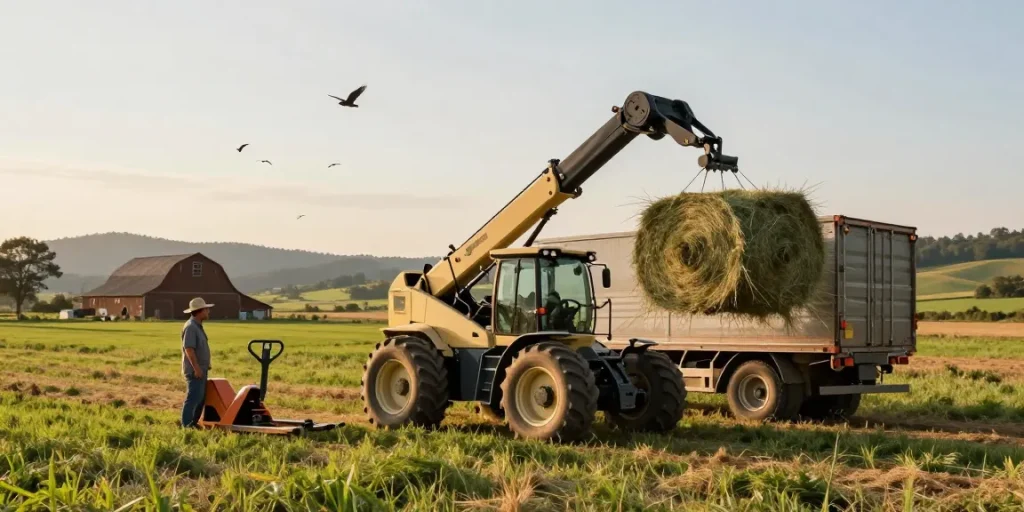
A farm electric loader is a type of material handling equipment designed specifically for agricultural applications. Unlike traditional loaders that operate on fossil fuels, electric loaders are powered by rechargeable batteries, making them quieter, more efficient, and environmentally friendly. These loaders can perform various tasks, such as lifting, transporting, and moving heavy materials, thereby streamlining farm operations.
Key Features of the Best Farm Electric Loaders
When searching for the best farm electric loader, there are several key features to consider:
- Battery Life: The longevity of the battery is crucial for ensuring uninterrupted operations, especially on larger farms.
- Lifting Capacity: The loader should be able to handle the specific weight requirements of your farm tasks.
- Operational Efficiency: Look for loaders that provide maximum output with minimal power consumption.
- Versatility: The ability to attach different implements or tools can greatly enhance the loader’s utility.
- Ease of Use: User-friendly controls and ergonomic designs improve safety and productivity.
Benefits of Electric Loaders Over Traditional Machinery
Electric loaders present a number of benefits that set them apart from traditional machinery:
- Environmental Impact: With zero emissions, electric loaders contribute to a cleaner environment, aligning with sustainable farming practices.
- Reduced Operating Costs: Electric loaders tend to have lower maintenance and operational costs over time, making them a cost-effective solution.
- Noise Reduction: Electric machines are significantly quieter than their diesel counterparts, which can mitigate noise pollution on farms.
- Enhanced Safety: The lack of exhaust fumes and reduced noise levels contribute to a safer working environment.
Choosing the Right Electric Loader for Your Farm
Selecting the best electric loader for your farm is a critical decision that involves careful consideration of various factors tailored to your specific agricultural needs.
Assessing Your Farm’s Specific Needs
Every farm is unique, and its requirements can differ significantly based on the type of crops, size of the operation, and specific tasks. Evaluate the following:
- Type of Farming: Different farming systems (e.g., livestock, crop production) may demand different features in a loader.
- Workspace: The physical layout of your farm, including narrow pathways or steep slopes, should influence your loader choice.
- Frequency of Use: Consider how regularly you will use the loader and for which specific tasks.
Top Brands and Models to Consider
When exploring the market, several brands are known for producing high-quality electric loaders. Companies such as Texlift offer a robust selection tailored to diverse agricultural needs. Check for models with proven performance records and strong customer testimonials to guide your purchase decision.
Cost Analysis: Initial Investment vs. Long-term Savings
While electric loaders may have a higher upfront cost compared to traditional loaders, the long-term savings in fuel, maintenance, and operational efficiency can make them a worthwhile investment. Conduct a thorough cost-benefit analysis factoring in:
- Initial purchase price
- Operating costs over time
- Potential tax incentives or rebates for eco-friendly equipment
- Resale value
Best Practices for Using Farm Electric Loaders
Maximizing the effectiveness of electric loaders requires adherence to best practices that ensure safety and longevity.
Safety Guidelines for Operators
Proper training and adherence to safety guidelines are essential for operators of electric loaders:
- Ensure all operators undergo formal training.
- Always wear appropriate personal protective equipment (PPE).
- Conduct regular maintenance checks to ensure safe operation.
Regular Maintenance Tips for Longevity
To keep electric loaders running efficiently, implement a routine maintenance schedule that includes:
- Regularly checking and maintaining battery health.
- Inspecting hydraulic systems for leaks or deterioration.
- Cleaning the loader to prevent rust and wear.
Training Your Team for Efficient Use
Investing in team training can significantly enhance operational efficiency. Provide hands-on training sessions and ensure team members understand the technical aspects of the loaders they will be using.
Case Studies: Successful Implementation of Electric Loaders
Exploring real-life applications provides valuable insights into the benefits of electric loaders in agriculture.
Farm X: Increasing Efficiency with Electric Machinery
Farm X successfully incorporated electric loaders into their operations, which resulted in a 30% reduction in labor costs and an increase in overall productivity. This transition not only streamlined their workflow but also attracted environmentally conscious customers.
Farm Y: Reducing Carbon Footprint through Electric Solutions
In Farm Y’s move towards sustainability, the transition to electric loaders reduced their carbon footprint by 40%. This case exemplifies how electric solutions can align agricultural practices with environmental responsibility.
Lessons Learned from Early Adopters
Early adopters of electric loaders have shared insights around the importance of understanding equipment capabilities and integrating loaders into existing workflows without interrupting daily operations.
Future Trends in Electric Loaders for Agriculture
As technology continues to evolve, electric loaders are expected to become even more advanced. Keeping an eye on emerging trends is essential for farmers looking to stay ahead.
Technological Innovations on the Horizon
Emerging technologies such as smart sensors, IoT integrations, and battery advancements promise to increase efficiency and safety further in electric loaders. These innovations will enable real-time monitoring and predictive maintenance, minimizing downtime.
Market Predictions for 2026 and Beyond
The market for electric loaders is expected to grow significantly by 2026, driven by a shift towards sustainable practices and advancements in battery technologies. This expansion is likely to make electric loaders more accessible to farmers of all sizes.
How Electric Loaders Fit into Sustainable Farming Practices
Electric loaders are not only instrumental in improving farm productivity but also play a vital role in sustainable farming. Their decreased reliance on fossil fuels positions them as a cornerstone in the agricultural sector’s green revolution.
What are the advantages of using electric loaders on a farm?
Electric loaders offer numerous advantages, including lower operating costs, reduced emissions, and quieter operation, making them ideal for modern farms.
How much can I save with the best farm electric loader?
The savings from using an electric loader can range from reduced fuel costs to lower maintenance expenses, often resulting in a return on investment within a few years.
Are electric loaders suitable for all farm types?
While electric loaders are versatile, their suitability can depend on specific farm operations and tasks. Evaluating your needs against loader capabilities is essential.
What are the maintenance needs of electric loaders?
Electric loaders typically require routine battery maintenance, regular inspections, and software updates to ensure optimal performance.
How does electric loader technology impact farming efficiency?
Electric loader technology enhances farming efficiency by streamlining operations, reducing downtime, and allowing for more precise handling of materials.



More Stories
Tear Strength Tester Traps: What to Watch Out For in 2026
Enhancing Construction Site Safety: Best Practices and Guidelines
Comprehensive Guide to Enhancing Construction Site Safety