





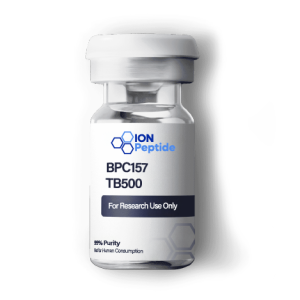
Introduction to Peptide Research Compounds
Peptide research compounds have become integral to the world of modern medicine and scientific exploration. This field has witnessed remarkable developments, especially regarding therapeutic agents that aid in recovery and healing. Among these compounds, BPC157 stands out for its potential benefits across various medical applications. In this article, we will explore the concept of peptide research compounds, unveiling their significance, especially in relation to BPC157.
What are Peptide Research Compounds?
Peptides are short chains of amino acids that play crucial roles in biological processes. They function as hormones, neurotransmitters, and signaling molecules within the body. Peptide research compounds serve as synthetic or naturally occurring peptides studied for their therapeutic potential. These compounds can mimic or enhance natural biological processes, making them essential tools in drug development and medical therapies.
Importance of Peptides in Scientific Studies
The importance of peptides in scientific research cannot be overstated. They offer unique advantages such as high specificity, reduced side effects, and the ability to target specific receptors or pathways. Research involving peptides opens pathways to understanding complex biological mechanisms and developing novel treatment strategies. In particular, BPC157 has displayed promising results in studies related to healing and recovery.
Key Features of BPC157
BPC157, or Body Protective Compound-157, is a peptide consisting of 15 amino acids. It is derived from a protective protein found in the gastric juice of humans, suggesting its role in gastrointestinal health. Its unique structure allows it to exert a wide range of therapeutic effects, including promoting healing, reducing inflammation, and enhancing recovery from injuries. These key features make it a compelling subject of study in both clinical and preclinical research.
Mechanisms of Action and Benefits
How BPC157 Affects Healing Processes
BPC157’s primary mechanism of action involves promoting angiogenesis, the process through which new blood vessels form from existing ones. This is critical in healing wounds and injuries as it enhances local blood flow and nutrient supply. Additionally, BPC157 has been shown to accelerate collagen production, which is essential for tissue repair. Studies have demonstrated that it can significantly improve the healing rate of tendons, ligaments, and even bones.
Potential Applications in Medicine
The potential applications of BPC157 in medicine are vast. It has been studied for its ability to treat various conditions, including muscle injuries, tendonitis, and joint pain. Furthermore, emerging research suggests its beneficial effects on gastrointestinal disorders, as it may protect against gastric ulcers and facilitate recovery from intestinal injuries. Its broad range of therapeutic properties positions BPC157 as a valuable candidate in regenerative medicine.
Enhanced Recovery Mechanisms Explained
BPC157 enhances recovery by influencing several biological processes. Aside from promoting angiogenesis and collagen synthesis, it has been shown to exert anti-inflammatory effects, which can alleviate pain and swelling in injured tissues. Additionally, BPC157 helps maintain cellular integrity, promotes cell survival during stress, and supports the repair of damaged tissues. Together, these mechanisms contribute to its renowned reputation in recovery and rehabilitation protocols.
Usage Guidelines and Best Practices
Dosage Recommendations for BPC157
When utilizing BPC157, adhering to recommended dosages is crucial for optimal outcomes. Common dosages used in research range from 200 to 500 micrograms per day. However, individual responses may vary, so it is advisable to start at lower doses and gradually increase based on efficacy and tolerance. Consulting with a healthcare professional before commencing any new treatment regimen is recommended to establish personalized guidelines.
Timing and Method of Administration
BPC157 can be administered via injection, typically subcutaneously or intramuscularly, depending on the targeted area. Timing can also play a role in efficacy—some users prefer immediate administration following an injury or surgical procedure to maximize healing potential. Regular administration may be advisable during recovery phases, as this ensures the bioavailability of BPC157 within the intended tissues.
Safety Protocols and Precautions
While BPC157 is generally regarded as safe, it is vital to observe certain safety protocols. Potential users should ensure they source high-quality peptides from reputable vendors to avoid contamination. Monitoring for adverse reactions such as allergic responses or excessive bleeding at the injection site is crucial. Furthermore, individuals with underlying health conditions or those who are pregnant should consult healthcare providers before use to mitigate any risks.
Research and Evidence
Current Studies on BPC157
The body of research surrounding BPC157 has expanded significantly in recent years. Numerous studies have focused on its effects in both animal models and human subjects, displaying supportive data on its healing properties. For instance, research involving joint injuries demonstrated enhanced recovery metrics in treated groups compared to control. Such findings underscore the need for continued investigation into its therapeutic applications and efficacy.
Data Analysis of Efficacy and Outcomes
Analyzing the results from various studies reveals a consistent trend of positive outcomes associated with BPC157. Data suggests significant improvements in healing rates, pain reduction, and overall recovery in diverse conditions. Moreover, aggregated results from multiple trials indicate that BPC157 facilitates more efficient tissue regeneration, highlighting its potential as a key player in treatments ranging from orthopedic rehabilitation to cosmetic procedures.
Understanding Results and Implications
The implications of the research findings on BPC157 are profound. Enhanced recovery times not only benefit patients’ daily lives but also catalyze advancements in therapeutic approaches. By improving the healing process, BPC157 could revolutionize traditional rehabilitation practices and provide additional options for patients facing chronic pain or debilitating injuries. Future studies will likely explore its use in novel contexts, paving the way for broader applications.
Common Questions About BPC157
What is BPC157 commonly used for?
BPC157 is commonly used for enhancing recovery from injuries, reducing inflammation, and promoting healing in conditions affecting muscles, tendons, and joints.
Are there any known side effects of BPC157?
Generally regarded as safe, BPC157 may cause minor side effects such as injection site irritation or allergic reactions in rare instances. Consulting a healthcare provider is advisable.
How does BPC157 compare to other peptides?
BPC157 is unique due to its extensive therapeutic benefits on healing and recovery, distinguishing it from other peptides, which may have more specific or limited applications in medicine.
Can BPC157 be used in conjunction with other treatments?
Yes, BPC157 can often be combined with other therapeutic modalities, including physical therapy, to enhance recovery outcomes. Consulting a professional is recommended for guidance.
Is BPC157 effective for long-term recovery?
Research indicates that BPC157 is effective in promoting long-term recovery, particularly in chronic injuries, by enhancing tissue regeneration and reducing inflammation over time.




More Stories
Why luck8 com Is Rising in Popularity in 2026 for Trusted Patient Care
How to Simplify 부평출장안마 for Effective Relaxation Strategies
Mental Health Quotes: What Actually Works for Healing in 2026