





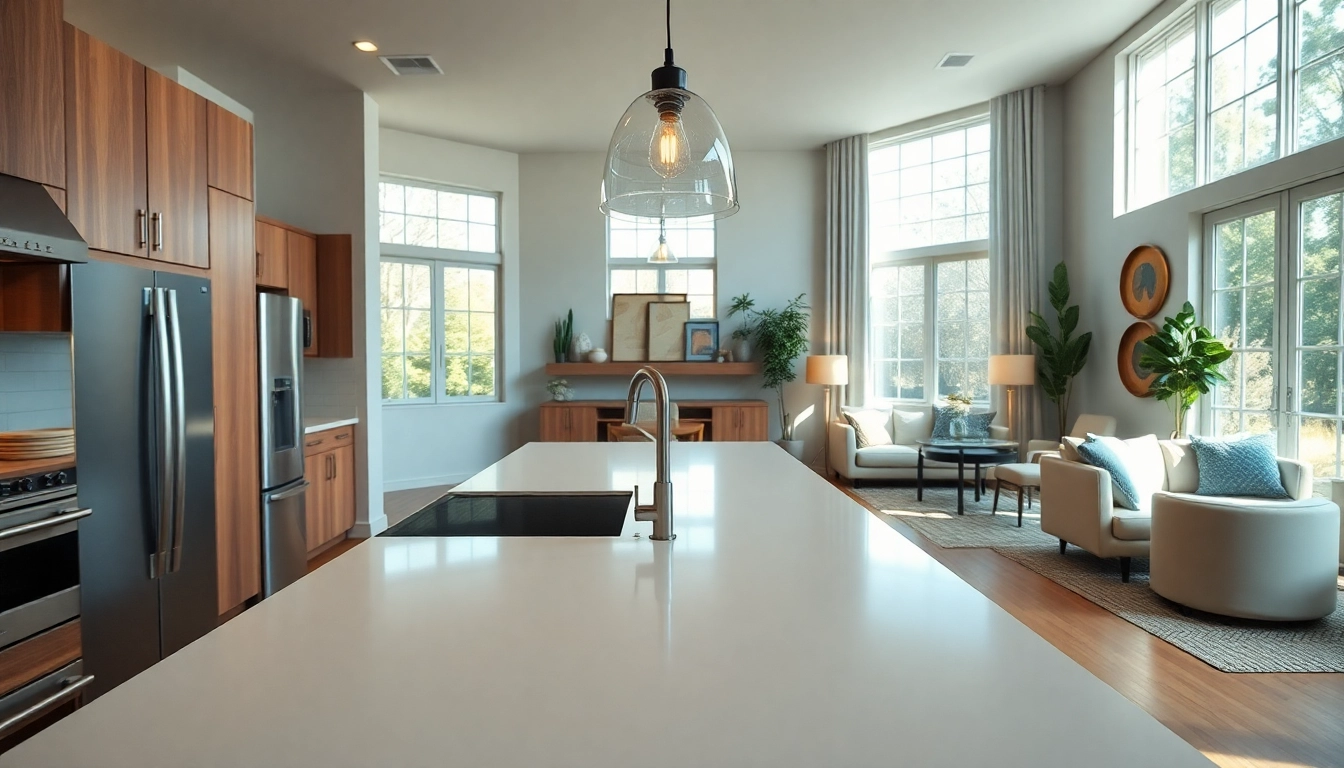
Understanding the Role of an Austin Residential Remodeling Contractor
Undertaking a home remodel is a significant decision, one that impacts not only the aesthetics of your property but also its functionality and value. Engaging an Austin residential remodeling contractor is crucial for ensuring that your remodeling vision comes to life. This professional plays an indispensable role in managing various aspects of the remodeling process, allowing homeowners to focus on the excitement of transforming their space.
The Importance of Hiring a Qualified Professional
Hiring a qualified remodeling contractor brings a wealth of benefits. First, they possess the knowledge and experience to navigate the complexities of local building codes, ensuring compliance at every level. This expertise reduces the risk of costly mistakes or delays. Moreover, a seasoned contractor will utilize established networks of trusted subcontractors, ensuring quality work from all involved parties. Lastly, their ability to foresee potential challenges and mitigate them ahead of time can save homeowners both time and stress.
Services Offered by an Austin Residential Remodeling Contractor
The scope of services provided by Austin residential remodeling contractors is vast. From complete home renovations and room additions to kitchen and bathroom remodels, contractors tailor their offerings to fit varied homeowner desires. These services can include design consultation, material selection, project management, and even post-completion services like follow-up maintenance. By offering a comprehensive suite of services, contractors help homeowners achieve a seamless renovation experience from conception to completion.
Hiring Process: What to Expect
The hiring process for an Austin residential remodeling contractor typically begins with an initial consultation. Expect to discuss your vision, budget, and timelines during this meeting. Next, the contractor will assess your space and provide design recommendations. Following this, you will receive a detailed project proposal outlining the scope of the work, timeline, and costs associated. This phase may also involve selecting materials and finalizing the design. Once the contract is signed and permits obtained, the real work begins. Throughout this phase, communication is key – your contractor should keep you updated on progress, changes, and any challenges that arise.
Common Types of Remodeling Projects
Kitchen Makeovers: Transforming Your Space
The kitchen often serves as the heart of the home, making it a popular choice for remodeling. A kitchen makeover can range from minor updates like new countertops and backsplashes to complete overhauls involving structural changes. When planning a kitchen remodel, consider open-concept designs, upgraded appliances, and the integration of smart technology. Engaging with an experienced contractor can lead to creative solutions that maximize both your space and investment.
Bathroom Renovations: Modern Designs for Comfort
Bathroom renovations can enhance comfort and functionality while also increasing home value. Modern bathrooms favor sleek designs, featuring luxurious elements like rainfall showers, freestanding tubs, and heated flooring. Effective layout design is crucial—contractors can help you reimagine small spaces, utilizing storage solutions while ensuring easy movement. Such professional adjustments not only improve aesthetics but also increase overall efficiency.
Living Room Upgrades: Enhancing Aesthetic and Functionality
Living rooms often serve as gathering spaces, making their design and functionality vital. Upgrades can include new lighting fixtures, built-in shelving, or even structural improvements like creating an open floor plan. Material choices and color schemes should reflect the overall home style while maximizing comfort. A skilled contractor can guide you through both aesthetic changes and structural enhancements, ensuring your living room aligns with your vision.
Key Attributes to Look For in a Contractor
Experience and Portfolio Evaluation
When selecting a remodeling contractor, evaluating their experience and portfolio is essential. Look for a contractor who has handled projects similar to yours, showcasing versatility in design and implementation across various styles and budgets. Request references and take the time to visit past projects whenever possible, allowing your assessment to be grounded in real-world examples of their workmanship.
Client Testimonials and Reviews
Client testimonials offer insight into a contractor’s reputation and reliability. Seek out reviews on credible platforms and ask previous clients about their experiences. Look for details regarding communication, adherence to timelines, and the quality of the finished product. Positive feedback is a strong indicator of a trusted contractor who values customer satisfaction.
Professional Certifications and Licenses
Certifications and licenses are clear indicators of a contractor’s professionalism and adherence to local regulations. Ensure that the contractor you hire is licensed to operate in Austin and possesses the necessary insurance. Additionally, certifications from industry associations reflect a commitment to quality and ongoing professional development, which is an asset for any remodeling project.
Budget Considerations for Home Remodeling
Establishing a Realistic Budget
Establishing a realistic budget is vital in any remodeling project. Assess your current financial situation and gather quotes from various contractors to understand average project costs. Factor in elements such as materials, labor, permits, and a contingency fund for unexpected expenses. Avoid underestimating costs—an accurate budget sets the foundation for a successful renovation.
Cost-Effective Solutions from an Austin Residential Remodeling Contractor
Homeowners often seek cost-effective solutions without sacrificing quality. Collaborating with an Austin residential remodeling contractor can reveal creative approaches to save money. This may include opting for refurbished materials, finding alternatives to high-end finishes, or minimizing structural changes to reduce labor costs. A skilled contractor can help prioritize which elements to invest in, ensuring your remodeling dreams remain achievable within budget constraints.
Financing Options for Renovation Projects
Financing can greatly ease the burden of remodeling expenses. Explore various financing options, including home equity loans, personal loans, or renovation-specific loans. Discuss financing with your contractor—many have partnerships with financial institutions that can provide tailored solutions. Make sure to thoroughly understand the terms and implications of any financing agreement to make informed decisions.
Frequently Asked Questions About Remodeling
What Should I Prepare Before Hiring a Contractor?
Before hiring a contractor, gather ideas for your remodel, draft a budget, and establish a timeline. Creating a clear list of your needs and preferences will facilitate informed discussions with potential contractors.
How Long Does a Remodeling Project Usually Take?
The duration of a remodeling project depends on the scope and complexity. Minor updates may require a few weeks, while major renovations can take several months. Discuss your specific project timeline with your contractor for precise estimates.
Can I Live in My Home During Remodeling?
Whether you can live in your home during a remodel depends on the project’s scale. Minor renovations may allow for continued occupancy, while extensive projects might require temporary relocation for safety and comfort. Your contractor can guide you on best practices based on the work being done.
What are the Most Common Remodeling Mistakes?
Common mistakes include underestimating budgets, not planning for permits, and failing to communicate effectively with contractors. Thorough preparation and clear expectations are essential in avoiding these pitfalls.
How Can I Ensure My Vision is Realized?
To ensure your vision is realized, provide your contractor with as much detail as possible, including photographs and materials you wish to use. Regular communication and check-ins can further facilitate alignment throughout the project.




More Stories
Residential Roofing: Essential Innovations Then vs Now in 2026
The Bedroom Apartment for Sale Westlands Nairobi Roadmap: Essential Insights for First-Time Buyers in 2026
Enhancing Home Comfort with American Standard Furnace Canada