





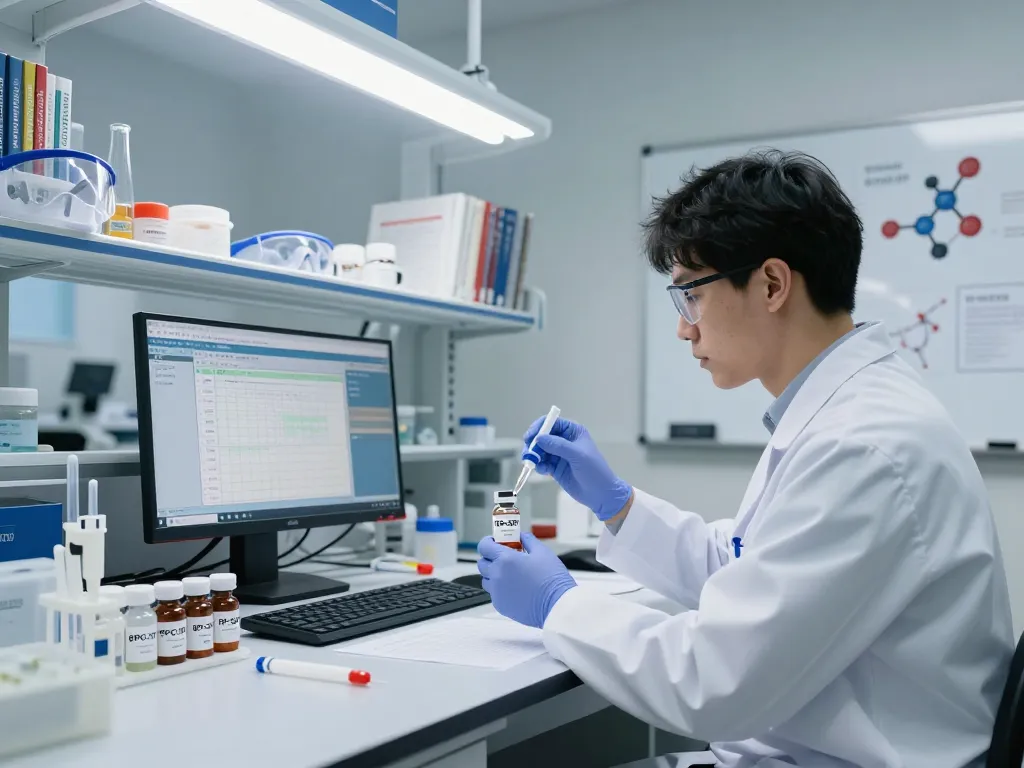
Understanding BPC157 and TB500 Peptides
BPC-157 and TB-500 are two of the most researched peptides in the scientific community, particularly within the domains of regenerative medicine and tissue repair. As peptide research continues to gain momentum, understanding these compounds becomes crucial for laboratories aiming to optimize their studies. Researchers and practitioners alike are increasingly looking into the potential benefits of these peptides, especially in terms of healing and recovery. When exploring options, Bpc157 tb500 provides comprehensive insights into how these peptides can complement one another in achieving remarkable outcomes.
What Are BPC157 and TB500?
BPC-157, or Body Protective Compound-157, is a peptide derived from a protein found in the stomach. It consists of 15 amino acids and is noted for its role in healing and tissue regeneration. TB-500, on the other hand, is a synthetic version of a naturally occurring peptide called Thymosin Beta-4. This peptide is known to promote cell migration and tissue repair. While they are different in structure and origin, both peptides share a common goal: enhancing recovery.
Mechanisms of Action and Benefits
The effectiveness of BPC-157 lies in its ability to modulate biological processes related to healing and inflammation. It has been shown to promote blood vessel growth (angiogenesis), reduce inflammation, and accelerate wound healing. TB-500 complements these actions by influencing the movement of cells to damaged areas, promoting effective tissue regeneration. Their combined action can provide enhanced healing effects, making them a popular choice in research laboratories focusing on recovery from injuries.
Scientific Studies Supporting Peptide Use
Numerous studies have explored the efficacy of BPC-157 and TB-500 in various contexts. For instance, a study published in the “Journal of Tissue Engineering” highlighted how BPC-157 significantly accelerated the healing of tendon injuries in animal models. Similarly, research on TB-500 indicated its effectiveness in enhancing muscle recovery following exercise-induced injuries, demonstrating its impact on muscle cell proliferation.
How BPC157 and TB500 Work Together
Synergistic Effects on Healing
The combination of BPC-157 and TB-500 can lead to synergistic effects in healing processes. When administered together, these peptides enhance tissue integrity and reduce recovery time, creating a powerful duo for researchers studying regenerative therapies. The increased blood flow induced by BPC-157, along with the mobilization of stem cells facilitated by TB-500, can lead to improved healing outcomes.
Comparison of Individual Benefits
Individually, BPC-157 is primarily known for its ability to tendon and ligament healing, while TB-500 is noted for its role in muscle repair. BPC-157 improves collagen synthesis, which is critical for repairing connective tissues. TB-500, however, enhances flexibility and reduces inflammation within muscle tissues. Together, they cover a broader spectrum of restorative functions, making them desirable partners in peptide therapy.
Case Studies and User Experiences
Real-world applications and anecdotal evidence from researchers highlight the potential of these peptides in various clinical settings. Many users have reported significant improvements in recovery times after surgeries or injuries when utilizing both BPC-157 and TB-500. Researchers have noted that the combination can result in enhanced muscle elasticity and better overall physical performance, creating a pathway for future studies aimed at broader applications in athletic recovery and rehabilitative medicine.
Optimizing Dosage and Administration
Recommended Dosages for Scientific Use
Determining the correct dosage for BPC-157 and TB-500 is critical for achieving desired outcomes in research. Typical dosages for BPC-157 range from 200 to 500 micrograms per day, while TB-500 dosages can vary from 2 to 5 milligrams weekly, depending on the specific application. It is crucial for researchers to tailor their dosages based on the individual needs of their studies and the specific responses observed in initial trials.
Administration Methods: Injections vs. Other Routes
The most common method for administering these peptides is via subcutaneous injections. This method allows for optimal absorption and bioavailability of the peptides. While some alternative methods, such as intramuscular injections, may be employed in certain situations, the subcutaneous route remains the standard for effective peptide delivery.
Potential Side Effects and Considerations
While BPC-157 and TB-500 are generally well-tolerated, researchers should remain cognizant of potential side effects. Possible issues may include local irritation at the injection site, headaches, or fatigue. Monitoring and adjusting dosages based on individual reactions is essential in maintaining safe and effective use in research environments.
Purchasing BPC157 and TB500 Responsibly
Finding a Trusted Supplier
When navigating the market for peptide procurement, establishing a relationship with a reputable supplier is paramount. A trusted supplier will provide comprehensive documentation, including Certificates of Analysis (COAs) that confirm the purity and integrity of their products. This is crucial for ensuring compliance and maintaining the scientific integrity of research.
Evaluating Purity and Quality Standards
Researchers should always evaluate the purity of peptides by requesting third-party lab test results. High-quality suppliers will readily provide detailed COAs that indicate the percentage of active ingredient, among other critical parameters. Ensuring that the supplier adheres to strict quality control measures will protect the validity of research findings.
Regulatory and Compliance Factors
Compliance with regulatory standards is vital in the procurement of peptides. Suppliers should clearly label their products for research use only and follow guidelines set forth for laboratory-grade materials. This ensures that researchers remain within legal boundaries while harnessing the full potential of peptide research.
The Future of Peptide Research and Applications
Emerging Trends in Peptide Therapies
The landscape of peptide therapy is evolving rapidly, with a shift towards personalized medicine. Researchers are exploring individualized peptide formulations that address specific patient needs. Additionally, advancements in delivery methods, such as oral and topical applications, are projected to enhance the accessibility and efficacy of peptide therapies.
Potential Innovations for 2026 and Beyond
Looking forward, innovations in peptide synthesis and formulation are expected to expand the therapeutic applications of BPC-157, TB-500, and other peptides. Developments in biotechnology may lead to more effective delivery systems and improved peptide stability, driving new research initiatives aimed at treatment options for chronic injuries and degenerative conditions.
Expert Insights and Predictions
Industry experts predict that the rise of peptide research will significantly impact regenerative medicine over the next decade. As more studies validate the benefits of peptides like BPC-157 and TB-500, an increasing number of clinical applications will be adopted, potentially changing the landscape of treatment options in sports medicine and rehabilitation.
What are the benefits of BPC157 and TB500?
The benefits of BPC157 and TB500 primarily revolve around their roles in promoting healing and tissue regeneration. They enhance recovery from injury, increase blood flow, and facilitate muscle repair, making them valuable tools in both clinical and laboratory research.
How can BPC157 and TB500 improve recovery?
BPC157 promotes collagen production and reduces inflammation, while TB500 mobilizes stem cells and supports tissue remodeling. Together, they work synergistically to reduce recovery times and improve outcomes in patients and research subjects alike.
Are there any side effects when using BPC157 and TB500?
Common side effects may include injection site reactions, mild headaches, or fatigue. These effects are typically transient, but researchers should monitor any adverse reactions closely.
What is the best way to store these peptides?
Peptides should be stored in a cool, dry place to maintain their integrity. For long-term storage, refrigerating or freezing peptides can help preserve their stability and efficacy.
How to identify a reputable supplier for peptides?
Identifying a reputable supplier involves checking for transparency in product sourcing and testing, verifying COAs, and seeking customer reviews. A strong, established reputation in the scientific community is also a good indicator of reliability.




More Stories
Why luck8 com Is Rising in Popularity in 2026 for Trusted Patient Care
How to Simplify 부평출장안마 for Effective Relaxation Strategies
Mental Health Quotes: What Actually Works for Healing in 2026