




The Evolution of Edutainment: A Historical Perspective
Edutainment, a blend of education and entertainment, has gained significant traction in today’s digital age. This concept not only seeks to entertain but also educates audiences of all ages through engaging and interactive media. In an era where attention spans are short and information overload is common, edutainment offers a viable solution, creating a balance that captivates while fostering learning. From its origins to its present-day applications, edutainment has transformed the landscape of education, providing valuable insights into how we learn.
What is Edutainment?
Edutainment is a portmanteau of educational entertainment, signifying content that merges instructional elements with entertaining formats. This approach aims to engage learners through various mediums, including games, videos, and interactive experiences, while simultaneously delivering educational content. By blending these two realms, edutainment seeks to increase retention of information and foster a love for learning.
The Origins of Edutainment in Learning
The roots of edutainment can be traced back to the early 20th century when educational films began to emerge. These films utilized storytelling to convey educational messages, laying the groundwork for the integration of entertainment into educational practices. However, it wasn’t until the late 20th century that the term “edutainment” gained popularity, notably through the efforts of the Walt Disney Company and PBS children’s programming. These platforms pioneered the idea that education could be fun, paving the way for a new era of learning.
Key Milestones in Edutainment Development
- 1970s-1980s: The introduction of educational television programs such as “Sesame Street” demonstrated the power of combining entertainment with learning, capturing the hearts of children while imparting essential life skills and knowledge.
- 1990s: The rise of the internet brought forth a new wave of edutainment, with interactive websites and online games designed for educational purposes. This era saw the birth of platforms like “JumpStart” and “Knowledge Adventure,” which provided engaging learning experiences for children.
- 2000s: The advent of mobile technology led to the development of educational apps and games, making learning accessible anytime and anywhere. This shift expanded the reach of edutainment, catering to both children and adults.
- Present Day: Edutainment has evolved into a multifaceted industry encompassing virtual reality (VR), augmented reality (AR), and gamified learning experiences. Companies like Goxius are at the forefront, creating immersive environments where users can learn through play.
Benefits of Edutainment for Families
Edutainment offers a plethora of benefits for families, transforming the often rigid landscape of education into a more dynamic and enjoyable experience. Here are some critical advantages:
Enhanced Engagement through Interactive Content
One of the primary benefits of edutainment is its ability to enhance engagement. Interactive content captures the attention of both children and adults, making learning a shared adventure. By participating in games, quizzes, and interactive videos, learners are more likely to retain the information presented and apply it in real-life situations.
Developing Critical Thinking Skills
Edutainment fosters critical thinking by challenging participants to solve problems and make decisions. Many educational games are designed to enhance cognitive abilities, encouraging players to strategize, analyze, and reflect on their choices. This not only boosts intellectual development but also prepares learners for everyday challenges.
Fostering Family Bonding through Shared Learning
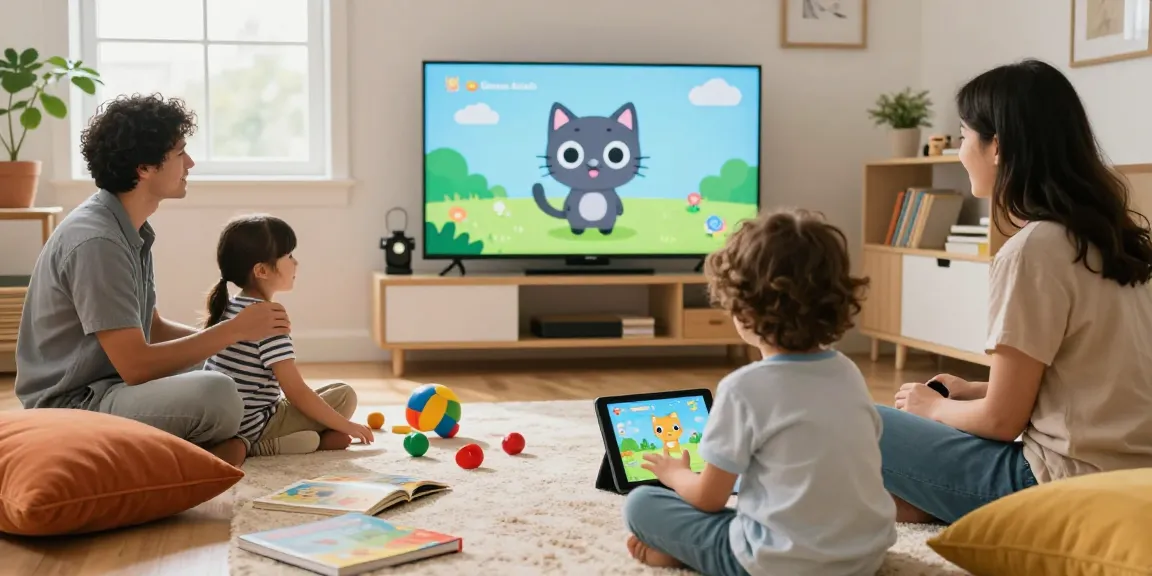
Engaging in edutainment offers families the opportunity to bond over shared learning experiences. Whether it’s playing an educational game together or watching an informative documentary, families can explore new concepts and ideas while nurturing their relationships. This shared experience creates a supportive environment for discussion and mutual growth.
Challenges and Misconceptions about Edutainment
While edutainment has been beneficial in numerous ways, it is not without its challenges and misconceptions that must be addressed.
Addressing the Skepticism around Educational Games
Despite the popularity of educational games, skepticism remains among some educators and parents. Critics argue that these games may not deliver substantial educational value, often perceiving them as mere distractions. To combat this skepticism, it is essential to showcase evidence of the effectiveness of edutainment in boosting engagement and learning outcomes.
Balancing Play and Learning Effectively
Another challenge lies in striking the right balance between play and learning. While edutainment should be fun, it is crucial that it also meets educational objectives. Developers and educators need to collaborate to create resources that incorporate both elements seamlessly, ensuring that play does not overshadow the learning aspect.
Dismissing Edutainment as a Gimmick
Some dismiss edutainment as a gimmick, arguing that it lacks the rigor of traditional educational methods. However, research shows that interactive and engaging content can lead to improved retention and application of knowledge. Emphasizing the validity of edutainment as an educational tool is vital for its acceptance in both schools and homes.
Future Trends in Edutainment for 2026 and Beyond
As technology continues to evolve, so too will the edutainment landscape. Here are some anticipated trends shaping the future of educational entertainment:
Technological Innovations Shaping Edutainment
The integration of advanced technologies such as artificial intelligence (AI), VR, and AR will revolutionize edutainment. These innovations will create more immersive and personalized learning experiences, allowing users to engage with content in ways that were previously unimaginable. For example, VR can transport learners to historical events or scientific environments, providing a unique educational perspective.
Collaborations between Educators and Creators
The collaboration between educators and content creators will be vital in developing high-quality edutainment resources. By working together, these two groups can ensure that the content is both engaging and educationally sound, resulting in resources that meet learners’ needs effectively.
The Role of AI in Personalized Learning Experiences
AI will play a significant role in tailoring edutainment to individual learning styles and preferences. By analyzing user interactions, AI can suggest customized learning paths, enabling personalized experiences that cater to each learner’s strengths and weaknesses. This will ensure that edutainment remains relevant and impactful for diverse audiences.
Implementing Edutainment: Best Practices
To maximize the benefits of edutainment, families and educators must adopt best practices when implementing these resources:
Identifying Quality Edutainment Resources
Selecting high-quality edutainment resources is paramount. Families should research and choose programs that are not only entertaining but also align with educational objectives. Reviews, testimonials, and recommendations can guide parents in making informed choices.
Creating an Edutainment-Friendly Home Environment
An edutainment-friendly environment encourages exploration and learning. Setting aside dedicated time for educational games and activities, providing access to technology, and fostering an atmosphere of curiosity can significantly enhance the learning experience.
Measuring the Impact of Edutainment on Learning
Tracking and assessing the effectiveness of edutainment initiatives is crucial. Families and educators can utilize various metrics, such as engagement levels and academic performance, to evaluate the impact of these resources on learning outcomes. This continuous assessment will help refine and improve the use of edutainment.
What are the most popular edutainment platforms?
Several platforms offer exceptional edutainment experiences, catering to various age groups and learning needs. Some notable examples include Goxius, ABCmouse, and Kahoot!, each providing unique approaches to educational entertainment that are highly engaging for learners.
Can adults benefit from edutainment as well?
Absolutely! Edutainment is not limited to children; adults can also benefit significantly from educational entertainment. From online courses to podcasts and interactive workshops, there are numerous edutainment resources tailored for adult learners, enhancing both professional skills and personal growth.
How do you choose the right edutainment tools for different ages?
Selecting appropriate edutainment tools involves considering the age and developmental stage of the learner. Resources should match the cognitive abilities and interests of the user. For younger children, colorful and interactive games are suitable, while older students may benefit from more complex problem-solving activities.
What role do educators play in promoting edutainment?
Educators play a pivotal role in integrating edutainment into formal learning environments. By incorporating engaging content and using innovative teaching methods, educators can enhance traditional curricula with edutainment, making learning more enjoyable and effective for students.
Is edutainment effective for special needs education?
Yes, edutainment can be particularly effective for special needs education, providing tailored resources that cater to various learning challenges. The interactive and engaging nature of edutainment can help maintain focus and motivation in learners with diverse needs, facilitating a more accessible learning experience.




More Stories
Empowering Futures Through Workforce Education: Strategies for Success
지속 가능한 에볼루션: 현대 사회의 혁신과 성장
Strategies to Pay Someone to Take TOEFL: Effective Insights and Assistance