





Overview of Sandakphu Trek
What is the Sandakphu Trek?
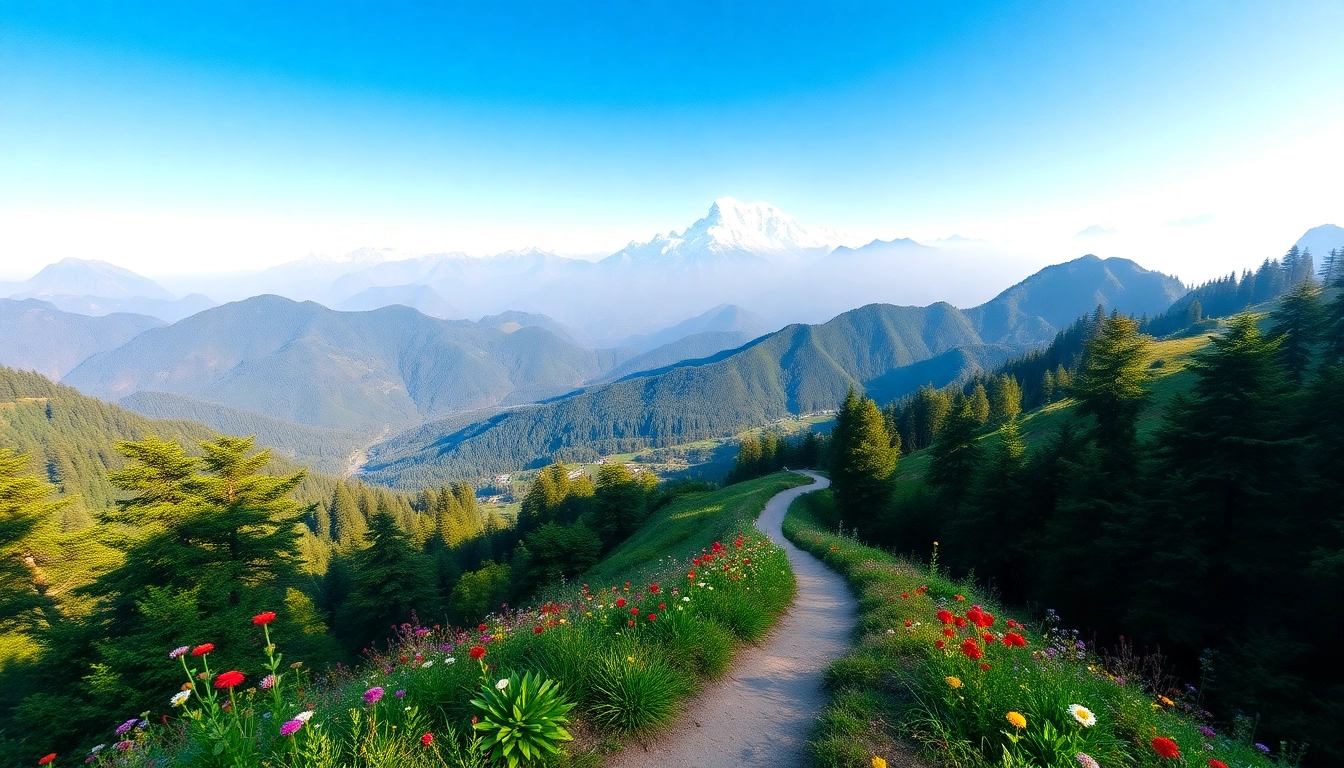
The sandakphu trek is a renowned trekking adventure located in the northeastern part of India, in the Darjeeling district of West Bengal. It is famously celebrated for its breathtaking panoramic views of the world’s four highest peaks: Mount Everest, Kanchenjunga, Lhotse, and Makalu. The trek stands at an impressive altitude of 3,636 meters (11,929 feet), making it one of the highest points in the region accessible to trekkers. The journey allows adventurers to experience the beauty of varied landscapes, charming villages, rich flora and fauna, and the culturally vibrant Tibetan settlements along the way.
Highlights of the Sandakphu Trek
- Stunning Views: Trekking to Sandakphu rewards hikers with breathtaking sunrises and sunsets over the mighty Himalayas, including the magnificent silhouette of Mount Everest.
- Flora and Fauna: The trek takes you through several national parks, showcasing a variety of Himalayan wildlife and a rich diversity of plant species, especially rhododendrons.
- Local Culture: Experience the vibrant Sherpa and Bhutia cultures by visiting local monasteries and interacting with communities along the trail.
- Challenging Terrain: The trek offers varied terrain, ranging from lush forests to rocky paths, providing both challenge and excitement for trekkers of all levels.
- Peaceful Environment: The serene landscapes and serene atmosphere create a perfect escape from the hustle and bustle of everyday life.
Quick Facts about Sandakphu Trek
- Location:
- Darjeeling District, West Bengal, India
- Duration:
- Approximately 6 to 10 days, depending on the itinerary
- Difficulty Level:
- Moderate
- Altitude:
- 3,636 meters (11,929 feet)
- Best Season:
- March to June & September to November
Planning Your Sandakphu Trek
Best Time to Trek Sandakphu
The best time to embark on the sandakphu trek is during the pre-monsoon months of March to June and the post-monsoon months of September to November. During these periods, the weather is pleasantly cool, offering clear skies and stunning visibility of the towering peaks. In spring, the surroundings come alive with blooming rhododendrons, while autumn offers crisp air and clear views, making both seasons ideal for trekkers to experience the beauty of the Himalayas.
Essential Gear for Sandakphu Trek
Preparing for the sandakphu trek requires the right gear to ensure comfort and safety. Here’s a comprehensive list of essential items:
- Backpack: A durable and comfortable backpack with a capacity of 40-60 liters.
- Clothing: Layered clothing, including quick-dry shirts, warm fleece jackets, waterproof jackets, and trekking pants.
- Footwear: A good pair of trekking shoes with strong grip and comfort for long walks.
- Accessories: Woolen hats, gloves, and neck warmers for colder temperatures.
- Personal Items: Sunscreen, lip balm, a first-aid kit, and personal hygiene items.
- Hydration: Water purification tablets and a refillable water bottle to stay hydrated on the trek.
- Navigation: A map, compass, or GPS device to ensure you stay on course.
How to Reach the Starting Point
The nearest major town to the starting point of the sandakphu trek is Manebhanjan, which can be reached by road from Siliguri or Darjeeling. Siliguri is well connected via rail and road. From Siliguri, you can take a taxi or bus to Darjeeling, and then another taxi or jeep to reach Manebhanjan. The duration of this journey typically takes around 4 to 5 hours. The trek officially begins at Manebhanjan, where trekkers can obtain the necessary permits and begin their adventure.
Navigating the Sandakphu Trek Route
Detailed Itinerary for Sandakphu Trek
The itinerary for the sandakphu trek can vary based on the preferred pace and the number of rest days included. Here’s a generic itinerary for a 6-day trek:
- Day 1: Manebhanjan to Chitrey (3,300m) – 10 km trek. This initial trek takes about 4-5 hours.
- Day 2: Chitrey to Tumling (2,850m) – 8 km trek. The route leads through dense forests and offers stunning views of the foothills.
- Day 3: Tumling to Kalapokhri (3,200m) – 11 km trek. This stretch encounters beautiful landscapes and diverse flora.
- Day 4: Kalapokhri to Sandakphu (3,636m) – 7 km trek. The last stretch offers panoramic views and a memorable sunset.
- Day 5: Sandakphu to Phalut (3,600m) – 22 km trek. This segment reveals breathtaking Himalayan vistas.
- Day 6: Return to Manebhanjan via the same route.
Challenges You May Encounter
Trekking to Sandakphu can be physically demanding. Some challenges you may encounter include:
- Altitude Sickness: As the trek ascends to significant altitudes, acclimatization is crucial to avoid altitude sickness.
- Variable Weather: Weather conditions can change rapidly; trekkers should prepare for both sunny and rainy spells.
- Rugged Terrain: Some sections may be steep or rocky, requiring good trekking experience and caution.
- Physical Endurance: The trek requires a good level of fitness. It’s essential to be physically prepared.
Points of Interest Along the Way
Throughout the trek, various attractions catch the attention of adventurers:
- Sandakphu Peak: An iconic viewpoint for capturing the mighty Everest and Kanchenjunga.
- Rhododendron Forests: The parks are filled with blooming rhododendrons, particularly stunning in the spring.
- Traditional Villages: Experience local culture in Bhakhim, Tumling, and Kalapokhri.
- Tumling Monastery: A serene spot to reflect and enjoy a moment of peace.
- Phalut: Less crowded but equally breathtaking, Phalut offers another perspective of the Himalayas.

Sandakphu Trek for Beginners
Is Sandakphu Trek Suitable for First-Timers?
Yes, the sandakphu trek is suitable for beginners with moderate fitness levels. While some sections may be challenging, the overall difficulty level is manageable for those who engage in regular physical activity. Proper planning, acclimatization, and pacing oneself will allow first-timers to enjoy the experience without feeling overwhelmed.
Preparation Tips for New Trekkers
Preparation is key to a successful trek. Here are essential tips for novice trekkers:
- Get Fit: Engage in cardiovascular exercises, strength training, and hiking in the months leading up to the trek.
- Practice Walking: Trek for longer distances on weekends to build up stamina and comfort.
- Learn Navigation: Familiarize yourself with map reading and basic navigation skills.
- Join Group Treks: Consider joining experienced groups for support and guidance on your first trek.
Navigating Different Terrain Types
During the sandakphu trek, adventurers will encounter diverse terrain, including:
- Forested Areas: These sections have well-marked trails covered in lush greenery.
- Rocky Paths: Parts of the trek require careful navigation over loose rocks and gravel.
- Steep Inclines: Occasional steep sections necessitate good trekking shoes and physical endurance.
- Open Expanse: The higher altitudes reveal stunning open valley viewpoints, providing welcome rests.
FAQs about Sandakphu Trek
How difficult is the Sandakphu trek?
The sandakphu trek is classified as moderate, but it may pose challenges, especially to those unaccustomed to long hours of walking and fluctuating weather conditions.
Can beginners do the Sandakphu trek?
Yes, beginners can undertake the sandakphu trek if they maintain a decent level of fitness and preparation, ensuring a rewarding experience.
What is the best month for the Sandakphu trek?
The optimal months for the sandakphu trek are March, April, September, October, and November, providing ideal hiking conditions with clear skies.
Can I see Mount Everest from Sandakphu?
Yes, Sandakphu offers stunning vistas of four of the world’s tallest peaks, including Mount Everest and Kanchenjunga.
What is the distance of the Sandakphu trek?
The total distance varies based on the route, but it is generally around 50 kilometers over six days of trekking.




More Stories
Is Upgrading to trang chủ TR88 Worth It? Data Says Yes
How to Save Time and Money with Yacht Rental Punta Cana in 2026
The Science Behind Agadir Car Rentals Official: Essential Insights for 2026 Travelers