





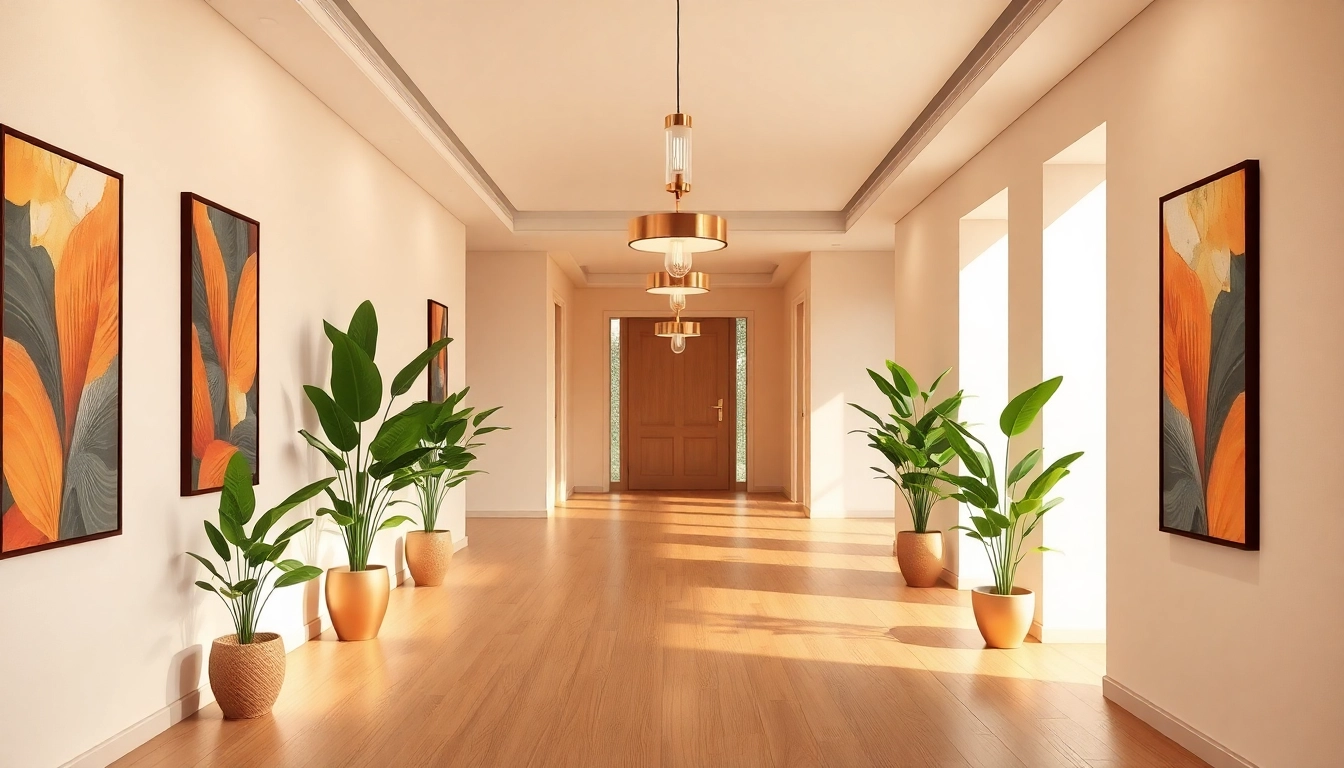
Understanding the Importance of Light Fixtures for Hallway
The hallway, often considered an afterthought in home design, plays a crucial role in connecting spaces within the home. Proper light fixtures for hallway not only enhance the aesthetic appeal of this often-overlooked area but also serve practical purposes. In this article, we’ll delve into the significance of choosing the right light fixtures for your hallway, explore different types, design considerations, installation tips, maintenance strategies, and frequently asked questions.
Why Choose the Right Fixtures?
The right light fixtures can radically transform the look and feel of a hallway. A well-lit hallway not only improves the overall ambiance but also makes the space safer and more functional. Whether you’re welcoming guests or navigating through your home during the night, proper lighting is essential. The right fixtures can highlight architectural features, artwork, and design elements, creating a cohesive flow throughout your home.
Impact on Ambiance and Safety
Light fixtures significantly influence the mood of a space. Warm lighting creates a welcoming ambiance, while cooler temperatures can feel more sterile. Moreover, good hallway lighting enhances safety by illuminating potential hazards, ensuring you can navigate the space with ease during the dark hours. A thoughtfully lit hallway decreases the risk of accidents, making it not only aesthetic but also functional.
Common Misconceptions about Hallway Lighting
Many homeowners fall prey to common myths surrounding hallway lighting. One prevalent misconception is that a single ceiling fixture suffices for adequate lighting. However, this often leads to dark corners and uninviting spaces. Another myth suggests that hallways do not require decorative lighting; in reality, decorative fixtures can enhance the style of the home while providing essential illumination. Understanding these myths helps homeowners to make more informed decisions.
Types of Light Fixtures for Hallway
Understanding the various types of light fixtures available for hallways can simplify the decision-making process. Each type offers unique benefits, making them suited for different design needs and preferences.
Pendant Lights: A Stylish Choice
Pendant lights are a stylish option that can add character to a hallway. These fixtures hang from the ceiling and come in a variety of designs, materials, and finishes, making them versatile for various decor styles. They’re particularly effective in larger hallways, where they can create visual interest without overwhelming the space. When choosing pendant lights, consider the height of the ceilings and the overall scale of your hallway to ensure a balanced look.
Wall Sconces: Efficient and Elegant
Wall sconces provide a practical solution for narrow hallways. These wall-mounted fixtures save floor space while casting light upward or downward, creating a softer glow that can evoke warmth and elegance. Available in countless designs, wall sconces can serve as accents that enhance the hallway decor. When positioning sconces, aim for a height of 60 to 66 inches from the floor for optimal effect.
Flush Mounts: Space-Saving Solutions
Flush mount fixtures sit close to the ceiling, making them ideal for hallways with lower ceilings. These fixtures deliver ample illumination without protruding into the space, ensuring a clean, streamlined appearance. Many flush mounts are designed with decorative elements that can add style to your hallway without sacrificing functionality. They work well in contemporary and traditional designs alike.
Design Considerations for Hallway Lighting
Effective hallway lighting goes beyond merely selecting fixtures; it involves careful consideration of style, color temperature, and layering techniques to create an inviting atmosphere.
Choosing the Right Style and Finish
The style and finish of your light fixtures should harmonize with your overall home decor. For modern homes, sleek metal finishes and minimalist designs can enhance the contemporary feel. Conversely, for traditional or vintage-style homes, selecting fixtures with ornate detailing or warm wood finishes can create a cohesive aesthetic. Don’t shy away from mixing styles for a more eclectic look; just ensure that the elements complement rather than clash.
Color Temperature and Its Effects
Color temperature refers to the warmth or coolness of light, measured in Kelvin (K). For hallways, a color temperature between 2700K and 3000K is typically recommended, as it provides a warm, inviting glow. However, using cooler temperatures like 3500K can offer a modern, clean feel that works well in contemporary settings. Think about how you want the hallway to feel and choose light bulbs that align with that vision.
Layering Light for Depth and Interest
Layering is essential in hallway lighting to achieve a well-balanced look. Combine ambient, task, and accent lighting to create depth. Ambient lighting serves as the primary source, while task lighting can illuminate areas where more visibility is needed, such as artwork or a mirror. Accent lighting can highlight architectural features or decorative elements, providing visual interest and enhancing the overall ambiance.
Installation Tips for Hallway Light Fixtures
Installing light fixtures in a hallway requires careful planning and execution to ensure safety and aesthetic appeal.
Electrical Safety Guidelines
Safety should be your top priority when installing light fixtures. Always turn off the power at the circuit breaker before beginning any installation work. Familiarize yourself with local electrical codes, and consider using fixtures rated for the specific environment, especially if prone to moisture. If you’re unsure about your electrical skills, hiring a licensed electrician is a wise investment.
Best Height for Fixture Placement
The height at which you install your fixtures can significantly affect their effectiveness. Pendant lights should typically hang 30 to 36 inches above the floor, while wall sconces are best positioned 60 to 66 inches above the ground. Flush mounts should be placed close to the ceiling, usually within 7 to 9 feet of the floor for optimal illumination and aesthetics.
Hiring Professionals vs. DIY
While DIY installations can save money, hiring a professional can alleviate concerns about safety and code compliance. If you have experience with home electrical work and feel confident, installation can be a rewarding project. However, if you’re unfamiliar with the process or the underlying electrical systems, it’s advisable to consult professionals. Ensure that any contractor you hire is licensed and insured for peace of mind.
Maintaining Your Hallway Light Fixtures
Proper maintenance will prolong the life of your hall lighting fixtures and keep them looking their best.
Cleaning Tips for Longevity
Regular cleaning is essential to maintain the clarity and brilliance of your light fixtures. Dust and debris can obscure the light output and diminish the fixture’s beauty. Use a soft, dry cloth for routine cleaning, and for more thorough cleanings, avoid harsh chemicals that might damage the finish. For glass fixtures, a mixture of vinegar and water can work wonders, restoring shine without streaks.
When to Replace Your Fixtures
Light fixtures should be replaced when they show signs of damage or wear, such as rust, discoloration, or a decrease in lighting performance. If your fixtures are outdated or no longer fit your design aesthetic, replacing them can also be a valuable update. Upgrading fixtures can dramatically alter the appearance and functionality of your hallway.
Keeping Up with Trends and Styles
Hallway lighting trends evolve, much like any other design aspect. Keeping an eye on emerging styles can help you make informed decisions regarding replacements or upgrades. Textured finishes, vintage-inspired pieces, and energy-efficient LED options are increasingly popular. Regularly reviewing your hallway’s aesthetic can keep your home current and visually appealing.
Frequently Asked Questions
What is the best color temperature for hallway lighting?
The best color temperature for hallway lighting is typically between 2700K and 3000K, providing a warm, inviting glow ideal for transitional spaces.
How many light fixtures do I need for my hallway?
The number of fixtures required depends on the hallway’s size. A rule of thumb is to space fixtures every 8 to 10 feet for optimal illumination.
Can I mix different types of fixtures in my hallway?
Yes, mixing different types of fixtures, such as pendant lights and sconces, can create a layered look that adds depth and interest to your hallway.
How high should I hang my wall sconces?
Wall sconces should typically be installed 60 to 66 inches above the floor for the best visual effect and illumination.
When should I consider hiring an electrician?
If you are unsure about electrical safety or lack experience with installations, it’s best to hire a licensed electrician to ensure proper and safe fitting of fixtures.




More Stories
Residential Roofing: Essential Innovations Then vs Now in 2026
The Bedroom Apartment for Sale Westlands Nairobi Roadmap: Essential Insights for First-Time Buyers in 2026
Enhancing Home Comfort with American Standard Furnace Canada