





Understanding Bed Bugs and Their Behavior
Bed bugs are tiny, elusive pests that have been a nuisance for humans for centuries. Their ability to reproduce quickly and hide effectively makes them a common household problem. To effectively deal with these infestations, it’s crucial to understand their behavior, biology, and the various treatment options available. When exploring options, Bed bug treatment becomes a focal point for anyone facing an infestation, as professional exterminators can offer tailored solutions.
What are Bed Bugs?
Bed bugs, scientifically known as Cimex lectularius, are small, flat insects that feed on the blood of humans and animals. Adult bed bugs are about the size of an apple seed, with a reddish-brown color and a characteristic flat body shape. They are primarily nocturnal and can live several months without feeding, making them resilient pests. These attributes, combined with their ability to thrive in various environments, contribute to their rapid spread, especially in densely populated areas.
Life Cycle and Reproduction of Bed Bugs
The life cycle of a bed bug includes several stages: egg, nymph, and adult. A female bed bug can lay up to 500 eggs in her lifetime, typically in clusters of 10-50 in hidden areas. The eggs are small, white, and often stick to surfaces, making them difficult to detect. After hatching, nymphs undergo five molts before reaching maturity, a process that usually takes about 5-6 weeks under optimal conditions. This rapid reproductive cycle is one reason why control measures need to be both immediate and effective.
Common Hiding Spots for Bed Bugs
Bed bugs are adept at hiding in several locations, making them hard to find. Common hiding spots include:
- The seams of mattresses and box springs
- Bed frames and headboards
- Couches and upholstered furniture
- Cracks and crevices in walls and floors
- Behind electrical outlets and picture frames
Due to their small size, these pests can squeeze into even the tiniest spaces, reinforcing the necessity of thorough inspections when detecting an infestation.
Signs of a Bed Bug Infestation
Identifying a bed bug infestation early is paramount in preventing their spread. Homeowners can look for various signs that indicate the presence of these pests. Bed bug bites often cause itchy welts, while visible indicators can help confirm a infestation.
Identifying Bed Bug Bites and Symptoms
Bed bug bites often appear as small, red, itchy welts on the skin, usually arranged in a line or cluster. Some individuals may not react to the bites, which can make identifying an infestation more challenging. It’s essential to monitor for these symptoms, especially if you wake up with unexplained bites.
Visual Indicators of Infestation
Besides bites, there are other visual signs of bed bugs:
- Small blood stains on bed linens
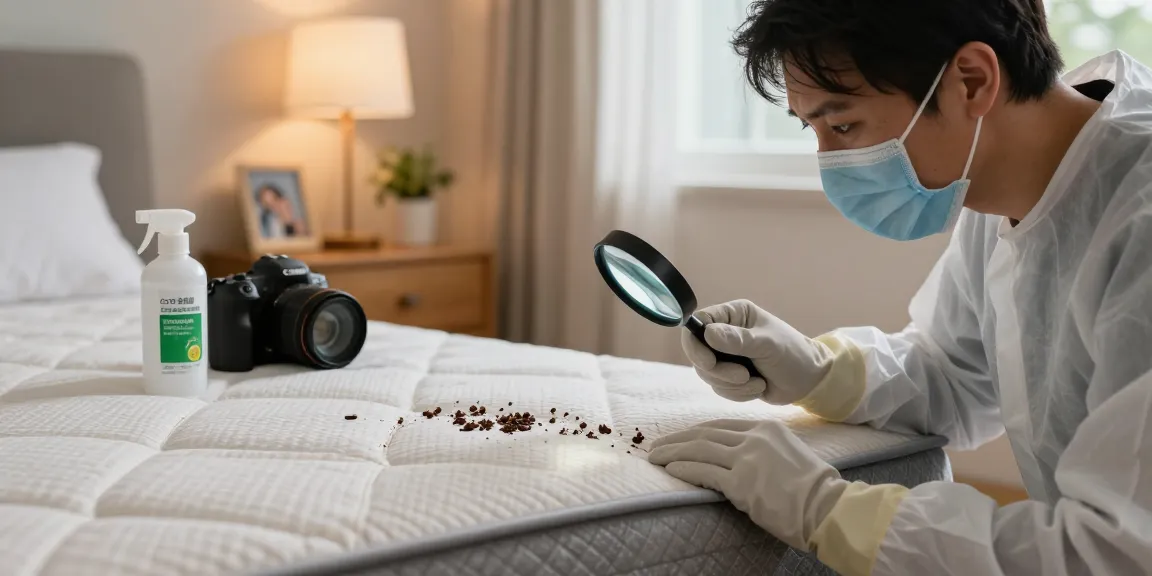
- Dark spots (bed bug excrement) on sheets or mattress seams
- Empty exoskeletons from molting nymphs
- Live bugs, often found in the aforementioned hiding spots
Finding any of these indicators should prompt immediate action to prevent further infestation.
When to Call Professional Bed Bug Exterminators
If you suspect a bed bug infestation, it’s wise to contact professional exterminators promptly. They can perform thorough inspections and offer targeted treatments. Additionally, you should seek professional help if DIY methods fail or if the infestation is widespread, as this can necessitate advanced techniques for effective eradication.
Effective Bed Bug Treatment Options
There are several treatment options available for bed bugs, each with its own advantages and drawbacks. Understanding these methods can help homeowners make informed decisions about how to best tackle an infestation.
Heat Treatment: An Eco-Friendly Approach
One of the most effective methods for eliminating bed bugs is heat treatment. This technique involves raising the temperature in the infested area to levels lethal for bed bugs—typically around 120°F (49°C) or higher. Heat treatment has several advantages:
- It kills all life stages, including eggs.
- It’s chemical-free, making it an eco-friendly option.
- It can be completed in one day, offering fast results.
Due to these benefits, heat treatment is increasingly popular among homeowners looking for effective solutions.
Chemical Spray Treatments and Their Benefits
Chemical spray treatments remain a staple in bed bug management. These sprays are designed to create a residual barrier that continues to kill bed bugs long after application. Some important benefits include:
- Long-lasting effects, typically up to 120 days.
- Ability to target hard-to-reach areas.
- Multiple formulations available for different situations.
While they are effective, homeowners should follow safety guidelines to minimize human and pet exposure during treatment periods.
Combining Treatment Methods for Best Results
For the best outcomes, homeowners can often combine heat and chemical treatments. This integrated pest management approach maximizes effectiveness by ensuring that bed bugs are targeted from multiple angles, enhancing the likelihood of complete eradication. Consulting with a pest control professional is essential to develop a customized plan suited to the specific situation.
Preparing for Bed Bug Treatment
Preparation is a critical step in ensuring effective bed bug treatment. Homeowners need to take certain actions before the extermination process begins.
Steps to Take Before Extermination
Before treatment, consider the following preparatory steps:
- Remove all linens, bedding, and clothing from the affected area and wash them in hot water.
- Declutter the space to allow easier access for exterminators.
- Vacuum the infested area thoroughly, focusing on seams and crevices.
- Inform neighbors if you live in an apartment, as bed bugs can spread easily.
These steps help to enhance the effectiveness of the treatments.
Post-Treatment Care and Maintenance
After treatment, it’s essential to maintain vigilance:
- Continue monitoring for signs of bed bugs for several weeks.
- Avoid placing infested items back into treated areas until confirmed safe.
- Consider using mattress encasements to prevent future infestations.
This ongoing vigilance can help prevent re-infestation and ensure that your home remains bed bug-free.
Monitoring and Preventive Measures
Implementing preventive measures is crucial for long-term success. Some effective strategies include:
- Regularly inspecting your home, especially after travel or acquiring used furniture.
- Using bed bug interceptors on furniture legs to catch bugs before they reach beds.
- Educating family members about bed bug prevention methods.
These preventive tactics can significantly reduce the risk of future infestations.
FAQs About Bed Bug Treatment
How do I know if I have bed bugs?
Signs of bed bugs include bites on the skin, blood spots on bedding, and sightings of live insects. If you suspect bed bugs, it’s best to consult a professional for an inspection.
What is the cost of professional bed bug treatment?
The cost of treatment can vary widely based on the severity of the infestation and the chosen methods. On average, prices can range from a few hundred to over a thousand dollars.
How long does bed bug treatment take to work?
Effectiveness can vary, but most treatments start working within a few hours. Complete eradication may take several weeks, especially in severe cases.
Are DIY treatments effective for bed bugs?
While some DIY methods can reduce bed bug populations, they rarely eliminate infestations entirely. Professional treatments are recommended for effective eradication.
What should I do after treatment to prevent re-infestation?
Post-treatment measures include regular inspections, eliminating clutter, and using protective encasements on mattresses. Staying vigilant and proactive is key to preventing a resurgence.




More Stories
Fișa de ajutor pentru contabilitate SRL – Ghidul esențial pentru antreprenori în 2026
jv funding program Trends That Will Define Business Collaboration in 2026
How to Simplify Automate My Social Media for Complete Engagement