





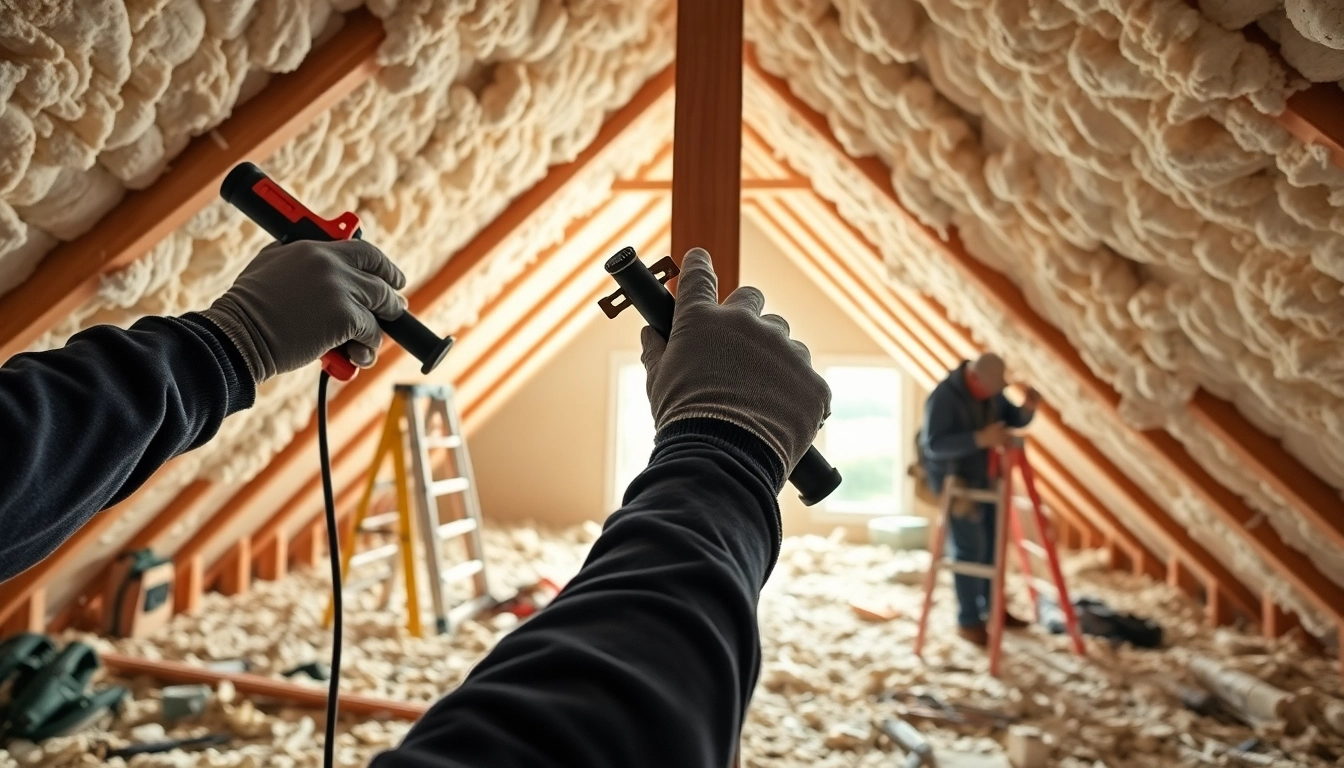
What You Need to Know About Spray Foam Insulation Removal Cost
Spray foam insulation is often heralded for its energy efficiency and effectiveness in sealing air leaks. However, there may come a time when you need to consider its removal. This process can be daunting, not just due to the physical labor involved but also because of the associated costs. Understanding the spray foam insulation removal cost can help you budget accurately and make informed decisions.
The Basics of Spray Foam Insulation
Spray foam insulation is created from a mix of chemicals that, when combined, expand into a foam that fills gaps and creates an effective barrier against air and moisture. There are two primary types: open-cell and closed-cell spray foam. Open-cell foam is softer and less dense, making it more suitable for interior applications, while closed-cell foam offers a sturdier structure, making it ideal for exterior applications. Understanding these types is crucial as it impacts removal methods and costs.
Common Reasons for Removal
There are several reasons why homeowners might choose to remove spray foam insulation. These include:
- Damage: Environmental factors, such as moisture and mold, can degrade the insulation, necessitating removal.
- Renovations: Home renovations that open up walls or ceilings may call for old insulation to be removed.
- Health Concerns: Improper installation or degradation can release harmful chemicals, prompting homeowners to remove insulation for safety.
Steps Involved in the Removal Process
Preparation for Safe Removal
Before embarking on the removal process, it’s crucial to prepare adequately. This includes assessing the area to determine how much insulation needs to be removed and identifying any potential hazards, such as mold or electrical wiring. Safety gear, including gloves, goggles, and masks, is essential to protect against harmful particles that might be released during removal.
Tools and Equipment Needed
The tools required for spray foam insulation removal can vary based on the type and extent of the installation. Generally, you will need:
- Utility Knife: For cutting away the foam.
- Oscillating Multi-Tool: Helpful for detailed cuts in tight spaces.
- Protective Gear: Gloves, masks, and goggles are critical for safety during removal.
- Vacuum: To clean up debris once the foam is removed.
Hiring Professional Services
While DIY removal is possible, many homeowners opt to hire professionals. Expert teams are trained in safe removal practices and can navigate potential hazards more effectively than an average homeowner. Hiring professionals might seem more expensive upfront, but it often saves time and ensures the job is completed safely.
Cost Implications and Budgeting Tips
Typical Cost Ranges
The average spray foam insulation removal cost can range significantly based on various factors, including the size of the area, the type of foam, and the difficulty of removal. On average, costs can vary from $1.50 to $3.50 per square foot. Thus, for a typical attic space of about 1,000 square feet, homeowners can expect to pay anywhere from $1,500 to $3,500, depending on the complexity of the job.
Hidden Costs to Consider
When budgeting for spray foam insulation removal, it’s important to consider potential hidden costs such as:
- Disposal Fees: Some regions charge for disposing of hazardous materials.
- Repairs: If insulation was damaged due to moisture or pests, repairs to the underlying structures might also be necessary.
- Re-insulation: After removal, you will likely need to budget for new insulation, whether it’s spray foam or another type.
How to Get Estimates
Getting accurate estimates for spray foam insulation removal involves contacting multiple professionals for quotes. Be sure to provide them with detailed information about your project, including the area to be cleared and any existing damage. Online reviews and recommendations from friends can also help locate the right service providers.
DIY vs Professional Removal: Understanding Your Options
Pros and Cons of DIY Removal
Many homeowners consider DIY removal to save on costs. Here are some pros and cons:
- Pros: Cost savings, personal satisfaction, and full control over the project.
- Cons: Potential hazards, time-consuming, and risk of improper removal leading to health or structural issues.
When to Call a Professional
If you encounter extensive damage, mold, or if you are uncertain about the removal process, it’s best to call in professionals. Additionally, if the insulation is in hard-to-reach areas, professional equipment can make a significant difference in efficacy and safety.
Comparing Costs and Safety
While DIY removal might seem more affordable upfront, consider the long-term implications. Mistakes made during the removal can lead to increased costs if damage occurs or if you subsequently need to hire a professional to correct the work. Always weigh immediate savings against potential long-term expenses.
FAQs About Spray Foam Insulation Removal Cost
What is the average spray foam insulation removal cost?
The average cost typically ranges from $1.50 to $3.50 per square foot, depending on various factors such as the extent of removal and the type of spray foam.
How long does the removal process take?
The duration of the removal process can vary, but most projects typically take 1 to 3 days, depending on the area size and complexity of the insulation.
Can I remove spray foam insulation myself?
Yes, DIY removal is possible, but it requires the right tools and safety precautions. Consider hiring professionals if you feel unsure about the process.
What should I do before removal?
Before removal, assess the area, gather necessary tools, and ensure safety measures, such as using protective gear and having proper ventilation.
Are there any health risks during removal?
Yes, removing spray foam can release harmful particles. It is essential to wear protective gear, including masks and goggles, to mitigate these risks.




More Stories
Residential Roofing: Essential Innovations Then vs Now in 2026
The Bedroom Apartment for Sale Westlands Nairobi Roadmap: Essential Insights for First-Time Buyers in 2026
Enhancing Home Comfort with American Standard Furnace Canada