





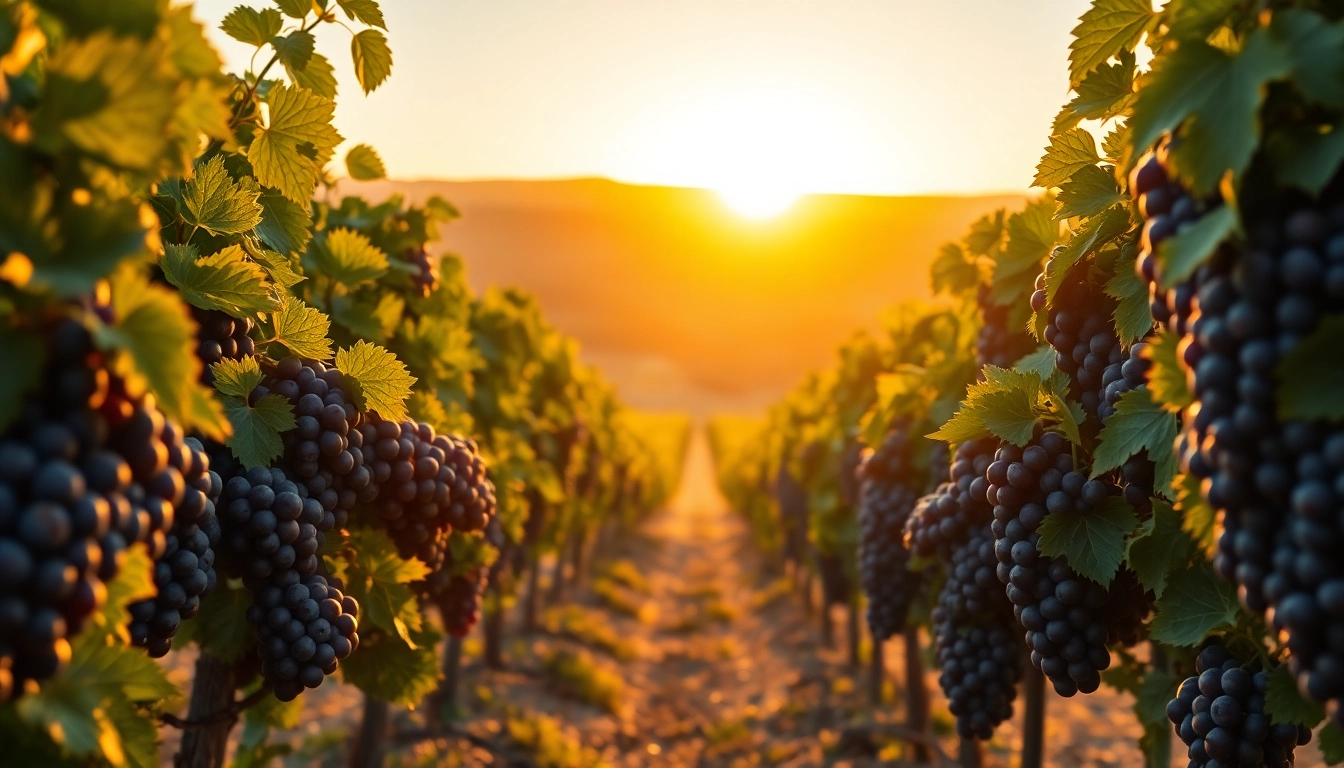
Introduction to Tempranillo
What is Tempranillo?
Tempranillo is a renowned red wine grape variety originating from Spain, renowned for its ability to produce complex wines that reflect terroir and regional characteristics. Recognized for its dark color and medium to full body, Tempranillo boasts a well-rounded profile with a spectrum of flavors, from cherry and plum to herbal and floral notes. This versatility enables the grape to adapt seamlessly to different winemaking techniques and environments. For more insights into this fascinating grape, Tempranillo deserves your attention.
Historical Background of Tempranillo
The history of Tempranillo dates back several centuries. Thought to have roots as far back as the 13th century, it emerged as the backbone of Spain’s prominent wine regions, especially Rioja and Ribera del Duero. As trade routes expanded, so did the grape’s reach, finding favor in regions across Europe and beyond. Tempranillo gained international recognition over the 20th century as Spanish winemakers adopted modern techniques while preserving traditional practices, resulting in high-quality wines that capture the essence of both the grape and its birthplace.
Key Characteristics of Tempranillo
This grape exhibits several key characteristics that set it apart in the world of wine. Tempranillo typically showcases a medium level of acidity and soft tannins, allowing for a smooth, approachable drinking experience. It tends to have a deep ruby color with aromatic notes of ripe fruits, leather, tobacco, and earthiness that develop beautifully with age. The adaptability of Tempranillo also allows it to flourish in different conditions, producing wines with varying profiles reflective of their terroir.
Flavor Profile of Tempranillo
Aromatic Notes and Flavor Range
Tempranillo is distinguished by its wide array of aromatic notes and flavors. On the nose, one can detect ripe black cherry, plum, and even hints of dried fig. As the wine evolves, secondary aromas of leather, tobacco leaf, and spices emerge, adding depth and complexity. The palate mirrors these aromas, often carrying a medium body with flavors ranging from fresh fruits to more matured profiles with earthy undertones. These characteristics make Tempranillo suitable for various palates and occasions.
How Terroir Affects Tempranillo
Terroir, the environmental factors unique to a specific vineyard site, plays a crucial role in shaping the final character of Tempranillo wines. Key influences include climate, soil composition, and elevation. For instance, the sun-drenched plains of La Mancha may yield more fruit-forward wines, while cooler regions like Rioja Alta produce more layered and herbal profiles. The age of the vines and winemaking practices further refine the wine, showcasing the interplay between nature and human influence in the outing of this remarkable grape.
Tasting Tempranillo: A Sensory Experience
Tasting Tempranillo is more than just a sensory activity; it’s an exploration of tradition and craftsmanship. When tasting, one should observe the wine’s clarity and color, swirling it in the glass to release its bouquet. The initial sip often reveals a balanced profile where fruit flavors harmonize with the wine’s acidity and tannins. A well-structured Tempranillo will linger on the palate, inviting further exploration, with its finish often showcasing subtle oak or mineral characteristics, depending on its aging process.
Food Pairings with Tempranillo
Classic Dishes That Complement Tempranillo
Tempranillo’s versatility makes it an excellent companion to a variety of dishes. Classic pairings include grilled meats, such as lamb or beef, where the wine’s tannins enhance the meat’s richness. Spanish cuisine, particularly dishes featuring chorizo or aged Manchego cheese, pairs perfectly due to the wine’s ability to balance robust flavors while offering its own complexity. Whether it’s a traditional paella or a contemporary charcuterie board, Tempranillo elevates the dining experience.
Regional Specialties and Tempranillo Pairings
Embracing the origin of Tempranillo can amplify its pairing potential. Dishes from Rioja, such as bacalao al pil-pil (cod in garlic sauce), harmonize beautifully with the wine’s acidity and savory notes. In Ribera del Duero, try pairing Tempranillo with dishes like roasted lamb or rich meat stews that match the wine’s intensity. These local specialties highlight the flavors of Tempranillo and celebrate Spain’s culinary traditions.
Seasonal Pairings for Tempranillo
The changing seasons offer varied opportunities to enjoy Tempranillo. In colder months, robust, spicy dishes such as stews and roasts complement the wine’s deep flavors. During warmer seasons, lighter fare like grilled vegetables, marinated seafood, or even a simple tomato salad can enhance a young Tempranillo’s fresh notes. The flexibility of Tempranillo allows it to adapt to the rhythm of the seasons, making it an essential wine for any occasion.
Tempranillo Wine Regions
Top Regions Known for Tempranillo
While Spain is the heartland of Tempranillo, there are other notable regions worldwide. It thrives especially in Rioja, where it is often blended with other grapes to enhance complexity. Ribera del Duero boasts some of the most prestigious Tempranillo wines, characterized by depth and aging potential. Countries like Portugal and Argentina are increasingly producing exceptional Tempranillo wines, showcasing the grape’s adaptability to diverse climates and winemaking techniques.
Emerging Regions Expanding Tempranillo Production
Emerging regions are beginning to embrace Tempranillo, bringing fresh perspectives to its production. In places like California and Texas, winemakers are experimenting with blending techniques and innovative viticulture practices, yielding wines that showcase the grape’s diverse characteristics. These new wine-producing areas not only push the boundaries of Tempranillo but also contribute to its growing global profile and popularity.
Exploring Local Varieties of Tempranillo
Within Spain, various local clones and sub-varieties of Tempranillo add to the complexity of what is available. Clones from different regions can possess unique attributes; for example, Tempranillo Blanco, a mutation of the original grape, offers a white wine option with a lighter, fruit-forward profile. Understanding these local varieties enriches the appreciation of Tempranillo, allowing wine enthusiasts to explore a wider spectrum of flavors and styles.
FAQs about Tempranillo
What is the ideal temperature to serve Tempranillo?
Tempranillo is best served slightly below room temperature, around 60-65°F (15-18°C), to highlight its flavors.
How long can Tempranillo be cellared?
Quality Tempranillo can age well, typically between 5 to 10 years, depending on the vintage and producer.
Is Tempranillo sweeter than other red wines?
Tempranillo tends to have a dry flavor profile, though some blends may offer a hint of sweetness.
What foods should I avoid with Tempranillo?
Avoid overly spicy or sweet dishes, as they can clash with the wine’s structure and flavor.
Can Tempranillo be enjoyed chilled?
While not common, slightly chilling Tempranillo can be refreshing in warm weather, particularly lighter styles.




More Stories
Google Restaurant Reservations Forecast: Essential Insights for 2026
How to Maximize Every Best Indian Restaurant Sunnyvale CA Opportunity for 2026
Delicious Recipes and Tips for Healthy Eating Today