





Understanding Colonial Home Renovation
The beauty and elegance of colonial homes have intrigued homeowners for generations. These homes are an embodiment of history, tradition, and architectural finesse, presenting a unique challenge and opportunity during renovations. Embarking on colonial home renovation requires a delicate balance between preserving historical integrity and incorporating modern conveniences. In this comprehensive guide, we will explore key aspects of colonial renovation that will help you turn your home into a harmonious blend of old and new.
What Makes Colonial Architecture Unique?
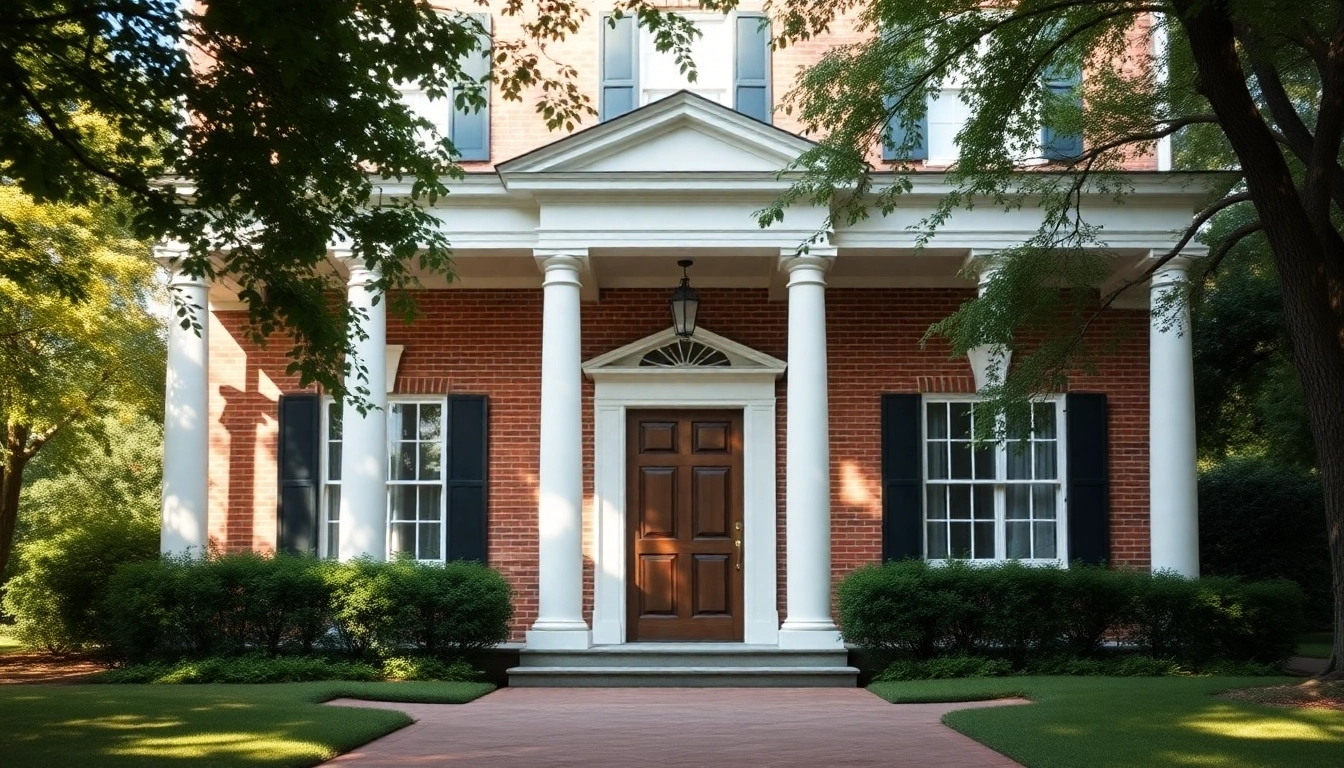
Colonial architecture is defined by its classic features, which vary depending on geographical and cultural influences. Originating in America during the 17th and 18th centuries, colonial homes reflect European architectural styles and local adaptations. Key characteristics include symmetrical facades, gabled roofs, and classical detailing.
Different types of colonial architecture such as Georgian, Federal, and Dutch similarly embody these unique traits, yet each presents distinctive features. Georgian homes, for example, are notable for their elongated shapes and sometimes grandiose columns. In contrast, Federal homes tend to have more restrained detailing, showcasing subtle elegance.
Key Elements of Colonial Home Design
Several distinctive elements define colonial homes:
- Symmetry: Most colonial homes feature a balanced, symmetrical facade, often with evenly spaced windows and a central front door.
- Gabled Roofs: Rooflines are typically steeply pitched, with dormer windows adding character and maximizing upper floor space.
- Materials: Traditional materials such as brick or wood siding are common, giving authenticity to the design.
- Windows: Large, multi-pane windows often complete the exterior, allowing abundant light while maintaining historical accuracy.
Benefits of Renovating Colonial Homes
Renovating a colonial home presents numerous benefits, including:
- Preservation of Heritage: Renovation allows homeowners to maintain cultural heritage and architectural history, making it a rewarding endeavor.
- Increased Property Value: Proper renovations that enhance the property’s charm can significantly increase its market value.
- Enhanced Comfort: Modern upgrades can lead to better energy efficiency and overall comfort without sacrificing historical appeal.
Planning Your Colonial Home Renovation
Assessing Your Home’s Current Condition
The first step in any renovation project is to conduct a thorough assessment of the existing condition of your colonial home. This includes evaluating structural integrity, plumbing, electrical systems, and the overall aesthetic components. Engaging professional inspectors can provide detailed insights and identify issues that might require immediate attention, ensuring safety and compliance with local building codes.
Setting a Realistic Budget for Renovation
A well-defined budget is indispensable for a successful renovation project. Costs can vary significantly based on the specific work needed, scale of the renovation, and local labor rates. Generally, costs for colonial home renovations range from $100 to $300 per square foot. Break down the overall budget into different categories such as structural repairs, materials, permits, and labor. It’s also wise to allocate a contingency fund of around 10-20% for unexpected expenses.
Finding the Right Professionals for Your Project
Selecting skilled professionals is crucial to the success of your renovation. Look for architects and contractors with experience in historical restorations to ensure that your project adheres to historical accuracy while meeting modern standards. Reviewing their past work, checking references, and discussing your vision can help you find the right fit for bringing your renovation dream to life.
Design Considerations for Colonial Home Renovation
Maintaining Historical Accuracy
One of the highlights of renovating a colonial home is preserving its historical accuracy. This involves using period-appropriate materials, techniques, and designs that reflect the architectural style of the home. For instance, opting for traditional clapboard siding over modern vinyl can help maintain authenticity. Furthermore, consult historical records or preservation societies for guidance on accurate restoration practices.
Incorporating Modern Amenities
While it’s important to respect historical features, incorporating modern amenities can enhance comfort and functionality. Consider upgrading insulation, installing energy-efficient windows, and modernizing plumbing and electrical systems. Balancing tradition with modernity is key—look for products that maintain the visual integrity of the home, such as using similar moldings and fixtures that complement historic styles.
Interior Design Tips for Colonial Spaces
Interior design in colonial homes should reflect the charm of the era while being functional for contemporary living. Consider including the following elements:
- Furnishings: Choose period-style furnishings or replicas that align with the architectural style. Opt for materials like wood and fabric that echo a colonial aesthetic.
- Color Palette: Stick with historically accurate color schemes, such as muted tones or earth colors, which can help maintain the home’s character.
- Lighting: Use chandeliers and sconces that reflect the colonial style, enhancing the ambiance while providing practical lighting.
Common Challenges in Colonial Home Renovation
Addressing Structural Issues
Many colonial homes may have structural issues due to age, including foundation problems, deteriorating wood, or outdated framing. Engage structural engineers to identify and suggest repairs for critical areas. Prioritize remedial work before proceeding with aesthetic renovations to ensure safety and stability.
Dealing with Local Building Regulations
Renovating a colonial home often involves navigating local building codes and regulations, especially in historic districts. Research zoning laws, obtain necessary permits, and adhere to guidelines set forth by preservation committees. Maintaining compliance is essential to avoid fines or being required to revert unauthorized changes.
Choosing Authentic Materials
Selecting authentic materials can be a daunting task, especially for key features like siding, roofing, and flooring. Research trusted suppliers who specialize in historical restoration materials to source items that are not only aesthetically suitable but also durable. Consider using reclaimed materials when possible for authenticity and sustainability.
Measuring Success in Your Colonial Home Renovation
Performance Metrics to Consider
To evaluate the success of your renovation project, establish clear metrics before starting. These can include the completion timeline, adherence to budget, and improvements in property value. Assess how well the renovations meet the needs of your family and enhance the living space.
Gathering Feedback from Occupants
Engage family members and occupants in providing feedback during and after the renovation process. Understanding their experiences can help refine future renovations and ensure the residence meets their evolving needs. This input is vital for assessing comfort, functionality, and overall satisfaction with the space.
Long-term Maintenance Tips for Renovated Homes
Long-term success post-renovation relies on vigilant maintenance. Regularly inspect and service essential systems such as HVAC, plumbing, and electrical. Clean and maintain both interior and exterior surfaces to prevent deterioration. Creating a maintenance schedule can help keep your colonial home in peak condition for generations.
FAQs
What is a colonial home renovation?
A colonial home renovation involves updating and restoring historical colonial-style houses to preserve their architecture while enhancing functionality and comfort.
How can I preserve the authenticity of my colonial home?
To preserve authenticity, use materials and styles that reflect the period, such as clapboard siding, traditional windows, and period-appropriate colors.
What are typical costs for colonial home renovation?
Costs can vary widely depending on the scope, generally ranging from $100 to $300 per square foot, depending on design and materials used.
Should I hire professionals for a colonial home renovation?
Yes, hiring architects and contractors specialized in historical restorations can ensure quality work that honors the original design while meeting modern standards.
How long does a colonial home renovation take?
Depending on the project’s scope, it can take several months to over a year, especially for larger homes requiring extensive work.




More Stories
Residential Roofing: Essential Innovations Then vs Now in 2026
The Bedroom Apartment for Sale Westlands Nairobi Roadmap: Essential Insights for First-Time Buyers in 2026
Enhancing Home Comfort with American Standard Furnace Canada