




Understanding Online Mastering
What is Online Mastering?
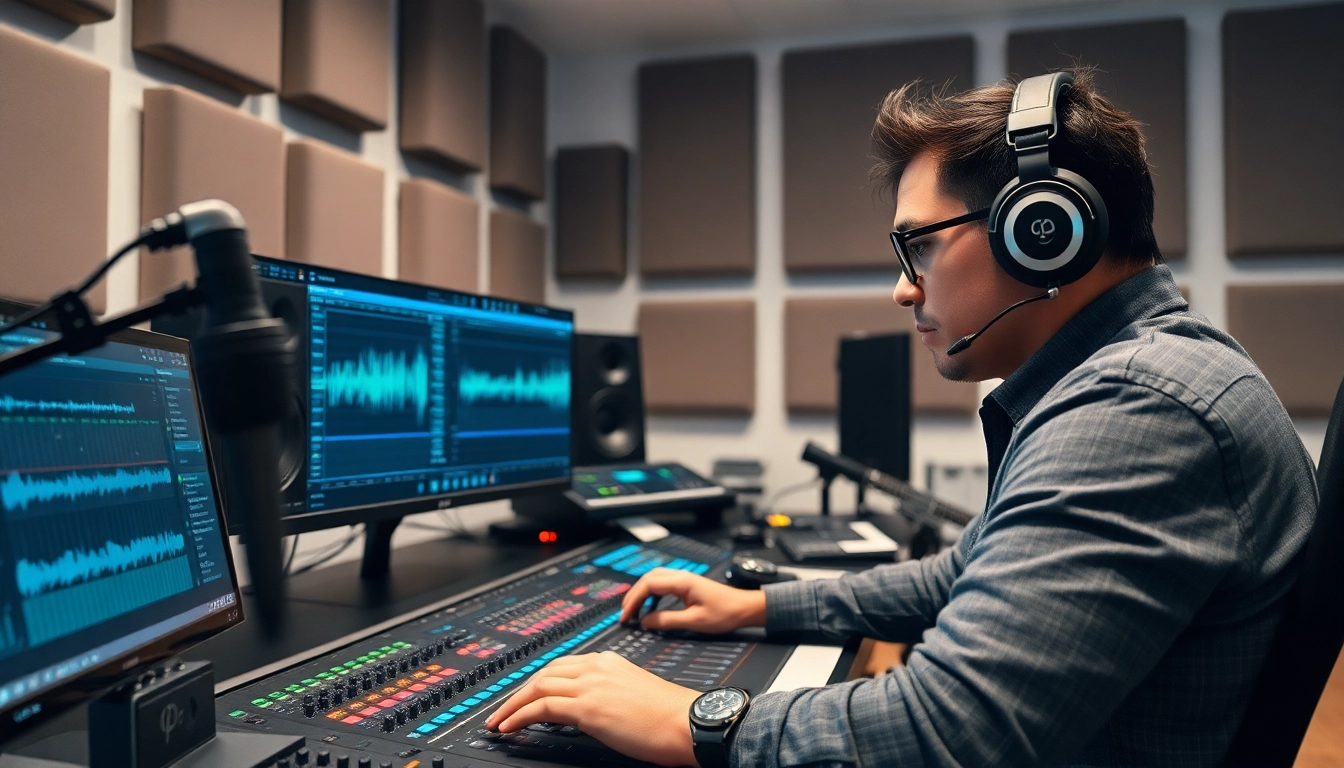
Online mastering is the digital process of preparing and transferring recorded audio from a source to a data storage device. This final stage gives your music the polished sound necessary for distribution and proper playback across various platforms. By employing specialized software and experienced sound engineers, artists can achieve high-quality results without being physically present in a mastering studio. The beauty of online mastering lies in its convenience and access to expert mastery, regardless of geographical limits.
Key Benefits of Online Mastering
Online mastering offers numerous advantages for musicians and content creators alike. Here are some key benefits:
- Cost-Effective: Unlike traditional mastering, which may require expensive studio time and travel, online mastering significantly reduces costs by allowing you to work from home.
- Convenience: Upload your tracks anytime, anywhere, and receive mastered versions at your own pace.
- Access to Professionals: Many online services are operated by industry professionals with extensive experience and technical knowledge.
- Quick Turnaround: Most online mastering services boast fast delivery times, sometimes within a day or two.
- Flexibility: You can provide feedback and revisions easily, ensuring the final product meets your expectations.
Differences Between Online Mastering and Traditional Mastering
While both online and traditional mastering serve the same fundamental purpose, there are key differences between the two:
- Location: Traditional mastering requires a physical presence in a studio, whereas online mastering can be done remotely.
- Cost: Traditional options often entail more significant expenses due to studio fees and equipment costs.
- Personal Interaction: In-person sessions allow for immediate feedback but can also be more stressful; online mastering relies on digital communication.
- Time Commitment: Traditional sessions may take longer due to scheduling conflicts and travel; online mastering streamlines the process.
Choosing the Right Online Mastering Service
Factors to Consider
When selecting an online mastering service, consider the following factors to ensure you receive the best possible results:
- Expertise: Look for services with experienced engineers who have mastered tracks in your genre.
- Accessibility: Ensure the service has a user-friendly interface for uploading files and providing instructions.
- Reviews and Samples: Check reviews and listen to samples of previously mastered tracks to gauge quality.
- Customer Support: Choose a service that offers reliable customer support for any inquiries or issues.
Top Features of Reliable Services
Here are essential features that a reputable online mastering service should include:
- Multiple Format Options: The ability to master in various file formats, offering flexibility for distribution.
- Revision Policy: Clear guidelines on how many revisions are allowed after the initial mastering.
- Plug-in Compatibility: Capacity to work with various music plug-ins to enhance the mastering process.
- Industry Standards: Services should adhere to the technical standards required for successful releases.
Common Misconceptions
Understanding misconceptions about online mastering can help you make informed decisions:
- “Online Mastering is Inferior:” Quality can match or exceed traditional methods when using experienced professionals.
- “It’s Just Automated Software:” Many services incorporate human expertise alongside automated processes for quality control.
- “It’s Only for Labels:” Independent artists can greatly benefit from online mastering as well.
- “Turnaround Times are Longer:” Many online services can provide quick delivery times comparable to traditional studios.
Preparing Your Mix for Online Mastering
Mixing Best Practices
To ensure the best outcome from online mastering, follow these mixing best practices:
- Leave Headroom: Aim for a mix that peaks around -6dB to -3dB to provide sufficient headroom for mastering.
- Balanced EQ: Ensure that each instrument occupies its own space in the frequency spectrum without overpowering others.
- Avoid Over-Processing: Do not compress or limit excessively; let the mastering engineer apply their processing techniques.
- Reference Tracks: Use professional tracks as references to ensure your mix is competitive in terms of sound and quality.
File Format and Quality Guidelines
Adhering to specific file format and quality guidelines is crucial for achieving optimal results in online mastering:
- File Type: Prefer WAV or AIFF formats for lossless quality over MP3.
- Bit Depth & Sample Rate: Provide files at a minimum of 24-bit/96kHz for best fidelity.
- File Naming: Use clear and consistent naming conventions to avoid confusion.
- Export Settings: Ensure files are exported in the correct format and setting from your DAW.
How to Provide Clear Instructions
Being clear in your instructions can significantly impact the final outcome of your master:
- Specify Genre and Style: Include details about your intended sound and genre to guide the mastering process.
- State Reference Tracks: Share references of tracks that capture the sound you’re aiming for.
- Note Any Effects or Edits: Indicate particular effects or mixing decisions you want to retain or adjust.
- Feedback Loop: Be open to revisions and communicate actively with the mastering engineer.
The Online Mastering Process
Step-by-Step Overview
The online mastering process typically follows these steps:
- Uploading Your Tracks: Choose the online mastering service and upload your mix files.
- Providing Instructions: Fill out any forms with instructions and feedback.
- Mastering Engineer’s Review: The mastering engineer evaluates your submission and begins the mastering process.
- Receiving the Mastered Track: Once completed, you will receive the mastered version via email or direct download.
What to Expect from the Service
When utilizing an online mastering service, you should expect:
- Professional Quality: High-quality masters that are competitive in the industry.
- Timely Delivery: Typically within a set time, depending on the service’s policies.
- Open Communication: An opportunity to communicate with the mastering engineer for feedback and revisions.
How to Review Your Mastered Track
When you receive your mastered track, it’s crucial to review it thoroughly. Here’s how:
- Listen on Multiple Devices: Test the track on various playback systems to ensure consistency.
- Compare to Reference Tracks: Evaluate whether the master aligns with your pre-selected reference tracks.
- Seek External Opinions: Don’t hesitate to gather feedback from trusted peers or mentors.
Maximizing the Impact of Your Mastered Music
Distribution Strategies
To effectively distribute your mastered music, consider the following strategies:
- Digital Streaming Platforms: Upload your tracks to services like Spotify, Apple Music, and others for broad accessibility.
- Social Media Promotion: Utilize platforms to share snippets and teasers of your music to engage your audience.
- Collaborate with Curators: Connect with playlist curators who can introduce your music to a wider audience.
- Utilize Your Website: Create a dedicated page for your music where fans can easily find and listen.
Promoting Your Music Effectively
To maximize the reach of your music, invest time in effective promotional strategies:
- Content Marketing: Create articles, blogs, or videos about your music process and share your journey with fans.
- Email Campaigns: Build an email list and send regular updates about new releases and events.
- Engage with Fans: Interact with followers on social media and respond to their messages and comments.
Understanding Distribution Platforms
Knowing how distribution platforms operate can amplify your reach:
- Aggregators: Use digital aggregators to distribute your music to multiple platforms efficiently.
- Distribution Fees: Be aware of any fees that may apply for using distribution services.
- Analytics: Leverage analytics data from platforms to understand your audience and promote better.
FAQs
1. What is the average cost of online mastering?
The cost varies by service, but expect prices to range from $20 to several hundred dollars depending on complexity.
2. How long does online mastering take?
Most online mastering services deliver your mastered track within 1-3 days, though some can offer faster turnaround.
3. Can I request revisions after mastering?
Yes, most online mastering services offer a revision policy where you can request changes before finalizing.
4. What file formats should I send for mastering?
It’s best to send uncompressed formats like WAV or AIFF, ideally at 24-bit/96kHz for optimal quality.
5. Is online mastering suitable for all music genres?
Yes, many online mastering services cater to a wide range of genres, ensuring professional results regardless of style.




More Stories
ชุดเครื่องมือ xxx: แหล่งข้อมูล เคล็ดลับ และกลยุทธ์สำหรับปี 2026
Trusted AI Ecchi Insights for Artists in 2026
Masterful Guide to Pikashow: No Ads, Unlimited Movies & Downloads for 2026