





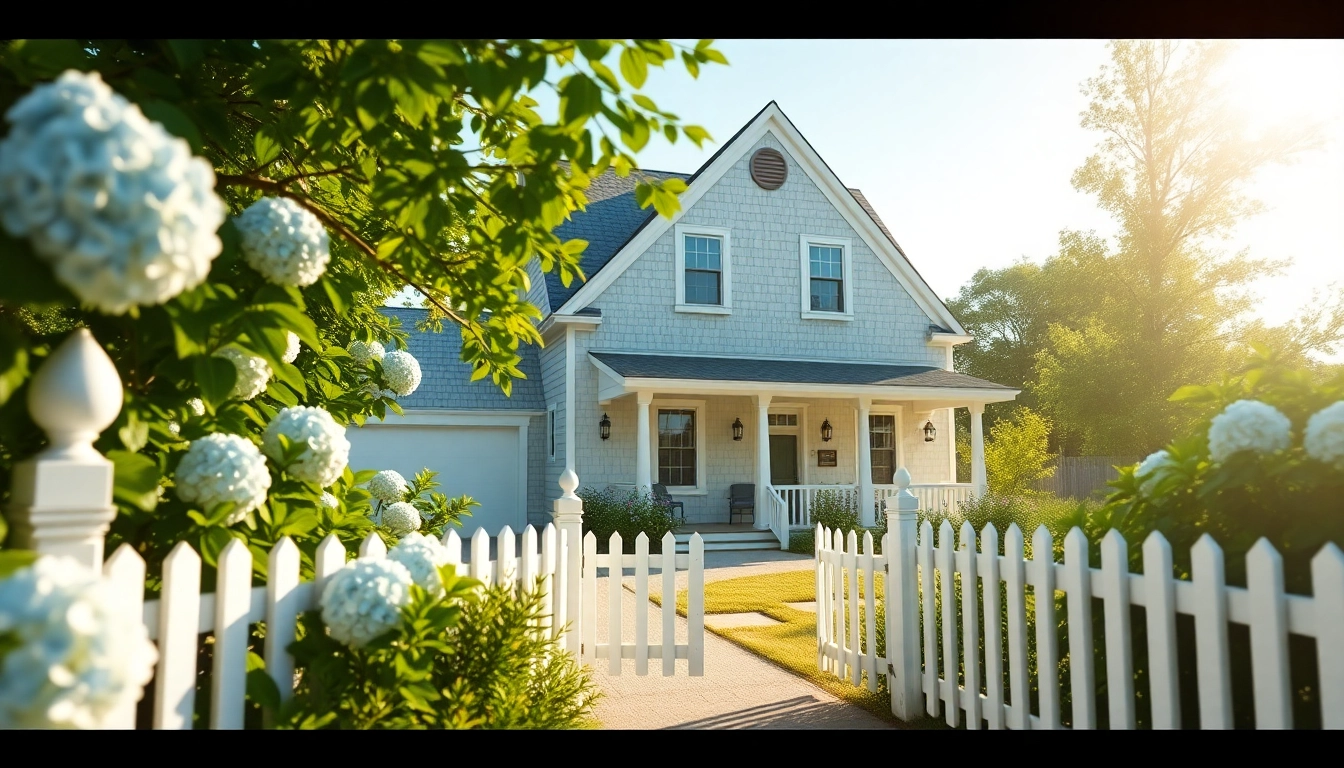
Understanding Cape Cod Homes
Characterized by their charming simplicity and historical significance, cape cod homes have long captivated the hearts of homeowners and architecture enthusiasts alike. Originating in the 17th century, these homes were designed for practicality and comfort, tailored to withstand the harsh New England winters while embodying a quintessential coastal aesthetic. As we delve deeper into the essence of Cape Cod architecture, we’ll explore its historical roots, architectural features, and the growing importance of expanding these homes to include modern necessities like attached garages.
Historical Context of Cape Cod Homes
The Cape Cod style emerged as early settlers sought to create homes that could endure the local climate. Borrowing elements from traditional English cottages, these homes were originally constructed with steep roofs, symmetrical facades, and wood siding, often painted in muted colors to blend with the natural landscape. As we look at the evolution of these homes through the centuries, it’s clear that their design was not merely aesthetic; it was a survival strategy where every detail served a purpose, from the low ceilings to the rounded eaves which helped shed snow. Today, the legacy of Cape Cod homes endures, with many owners opting for renovations that respect their historical integrity while incorporating modern conveniences.
Architectural Features of Cape Cod Homes
While the specific details may vary, several key architectural features define cape cod homes:
- Steeply Pitched Roofs: These roofs are designed to allow heavy snowfall to slide off easily, preventing structural damage.
- Symmetric Facades: Cape Cod homes often feature a centered front door with equally spaced windows, providing a balanced appearance.
- Wooden Siding: Usually made of cedar, this material is both weather-resistant and stately, often painted in soft, coastal colors.
- Single Story Design: Many traditional designs favor single-story layouts with dormer windows, enhancing both aesthetic appeal and functional space.
Importance of Attached Garages
In the modern context, the role of attached garages in cape cod homes cannot be understated. As family structures evolve and lifestyle needs change, attached garages offer not just convenience but also an increase in property value. They provide sheltered access to the home, eliminating the hassle of dealing with rain or snow, and can be designed to complement the home’s architectural style seamlessly. Additionally, they can serve as alternative multi-purpose spaces, like workshops or storage areas, which are increasingly valuable in today’s homes.
Design Tips for Cape Cod Homes
Choosing the Right Materials
The materials selected for a cape cod home can significantly impact both its aesthetic and functionality. Ideally, materials should be durable and weather-resistant to withstand coastal conditions. Natural wood, stone, and high-quality siding are excellent choices. When renovating or designing, consider products that reflect the original craftsmanship. For instance, opting for reclaimed wood or energy-efficient siding not only upholds the home’s historical character but also promotes sustainability.
Color Schemes that Enhance Cape Cod Homes
Color plays a pivotal role in the overall look of a cape cod home. While traditional palettes lean towards classic whites and soft pastels, don’t shy away from bolder accents that can modernize the look. Remember that the colors should complement the home’s surroundings, evoking a sense of harmony with nature. Deep blues and sea greens, paired with crisp whites or rich browns, can evoke the serene coastal environment characteristic of cape cod homes.
Landscaping Around Cape Cod Homes
Landscaping is key in accentuating the beauty of cape cod homes. The goal should be to create a seamless transition between the architecture and the natural landscape. Incorporate native plants that require minimal maintenance; they not only contribute to a healthier local ecosystem but also enhance your home’s aesthetic appeal. Pathways made of natural stone or mulch can lead to the entryway, while strategically placed trees offer shade and visual interest without overpowering the home’s charming architectural lines.
Building and Renovation Considerations
Permits and Regulations for Cape Cod Homes
Before embarking on any building or renovation project, it is crucial to understand the necessary permits and regulations governing cape cod homes. Local zoning laws may dictate everything from the height of your structure to setbacks and aesthetic conformity with the neighborhood’s historical context. Consulting with local building authorities ensures that your project’s scope aligns with regulatory standards, helping to avoid potential fines and project delays.
Utilizing Space Effectively with Attached Garages
When designing an attached garage for a Cape Cod home, maximizing space is essential. Custom cabinetry, wall-mounted storage solutions, and multi-functional designs can transform an ordinary garage into an effective workspace or storage area. Consider incorporating wide doors and ample lighting to create a welcoming environment that contributes to your home’s overall functionality, while ensuring the design stays true to the home’s classic style.
Energy Efficiency in Cape Cod Home Design
In today’s world, energy efficiency is not just a trend but a necessity. Cape Cod homes can benefit from various eco-friendly innovations, such as high-efficiency windows, proper insulation techniques, and sustainable materials that contribute to a smaller carbon footprint. Implementing a smart home system can further enhance energy management, reducing utility costs while maintaining comfort throughout the home.
Maintaining Your Cape Cod Home
Seasonal Maintenance Checklist for Cape Cod Homes
Proper maintenance is essential for preserving the integrity and aesthetics of cape cod homes. Create a seasonal checklist that addresses the following tasks:
- Inspect and repair roofing, ensuring leaves and debris are removed.
- Check gutters and downspouts for blockages, particularly before and after winter.
- Service HVAC systems and check for air leaks around windows and doors.
- Perform routine inspections of painted surfaces, looking for peeling or chipping paint.
Preserving the Exterior Aesthetic
Maintaining the exterior of cape cod homes demands attention to detail, particularly regarding its wood siding and painted surfaces. Regular cleaning, use of mildew-resistant products, and prompt repairs can prevent larger issues down the line. When it comes time to repaint, select durable, weather-resistant paints that mirror traditional styles while offering modern protection against the elements.
Smart Upgrades for Sustainability
Incorporating sustainable upgrades into your cape cod home is not just beneficial for the environment but can also enhance property value. High-efficiency appliances, solar panels, and water-saving fixtures are becoming increasingly popular among homeowners who want to reduce their ecological footprint. These upgrades not only lower energy bills but also create a more comfortable living environment that aligns with contemporary sustainability goals.
Frequently Asked Questions about Cape Cod Homes
What defines a Cape Cod home style?
A Cape Cod home style is recognized for its steep roof, symmetrical design, and dormer windows. Built originally for durability against coastal weather, these homes typically feature wood siding and a simple aesthetic that reflects their historical roots.
How can I enhance the curb appeal of my Cape Cod home?
Enhancing curb appeal can involve fresh paint, thoughtful landscaping, upgraded lighting, and renovated porches. Choose colors that harmonize with the natural scenery and opt for native plants to ensure an inviting exterior.
What are the benefits of having an attached garage?
An attached garage offers convenience, sheltered access to your home, and extra storage space. It can also enhance property value and contribute to the overall efficiency of your living space.
What maintenance is required for Cape Cod homes?
Routine maintenance includes inspecting the roof, gutters, siding, and windows, as well as performing seasonal checks on HVAC systems. Regular painting and timely repairs can greatly extend the lifespan of your home.
Are Cape Cod homes energy-efficient?
Yes, Cape Cod homes can be energy-efficient with the right upgrades, such as high-efficiency windows, proper insulation, and smart home technologies that reduce energy consumption and utility costs while maintaining comfort.




More Stories
Residential Roofing: Essential Innovations Then vs Now in 2026
The Bedroom Apartment for Sale Westlands Nairobi Roadmap: Essential Insights for First-Time Buyers in 2026
Enhancing Home Comfort with American Standard Furnace Canada