





Understanding Electronic Queue Management Systems
In today’s fast-paced business environment, organizations are increasingly turning to technology to optimize operations and enhance customer experiences. One such innovation is the electronic queue management system, which streamlines the way customers interact with businesses. This guide provides an in-depth exploration of what electronic queue management systems are, how they function, and the numerous benefits they bring to businesses across various industries in the United States.
As you delve into the insights provided, you will discover that implementing an effective electronic queue management system can significantly improve operational efficiency, reduce waiting times, and enhance overall customer satisfaction.
What is an Electronic Queue Management System?
An electronic queue management system (QMS) is a technological solution designed to organize and manage customer flow in various settings, ranging from retail environments to healthcare facilities. By replacing traditional, physical waiting lines with electronic systems, organizations can provide a more efficient and pleasant experience for their customers.
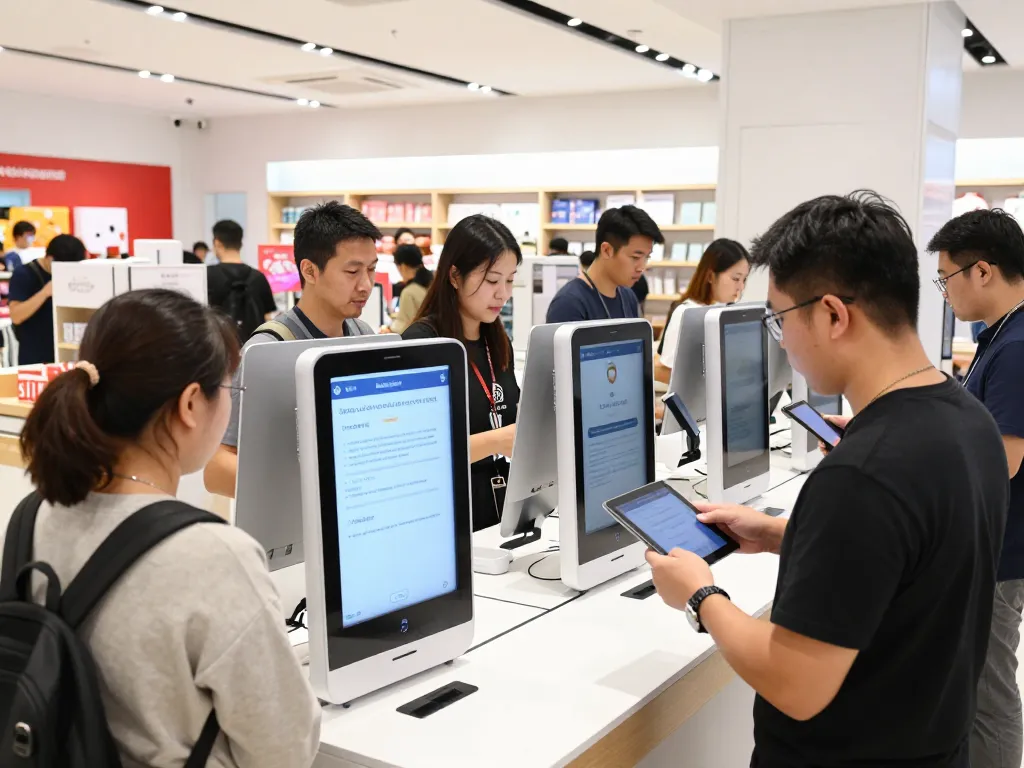
These systems utilize digital tools, such as mobile applications, SMS notifications, and touchscreen kiosks, to allow customers to join queues virtually or physically. This advancement not only minimizes physical congestion in waiting areas but also allows businesses to maintain better control over customer service operations.
How Electronic Queue Management Works
At its core, an electronic queue management system operates through a few fundamental steps:
- Queue Entry: Customers can enter the queue via multiple methods, including mobile applications, kiosks, or SMS-based systems.
- Organized Waiting: Once customers have joined the queue, the system organizes them according to established criteria such as first-come, first-served, or appointment times.
- Real-Time Notifications: Customers receive updates about their position in the queue and estimated wait times through SMS notifications or app alerts.
- Service Call-Up: When it is the customer’s turn, the system sends a notification, prompting them to receive service.
This simplified, digital framework not only enhances customer experience but also optimizes efficiency for businesses.
Benefits of Implementing Electronic Queue Management
The implementation of electronic queue management systems brings numerous advantages, including:
- Reduced Wait Times: Organizations that utilize electronic queue systems can expect significant reductions in customer wait times, leading to improved satisfaction.
- Enhanced Customer Experience: By minimizing the physical presence required in waiting areas, customers can engage in other activities while waiting for their service.
- Increased Operational Efficiency: Staff can manage customer flow more effectively, allowing them to focus on service delivery rather than line management.
- Data-Driven Insights: Electronic queue systems collect valuable data that can be analyzed to improve service delivery and operational strategy.
Key Components of Effective Queue Management
To design an effective electronic queue management system, several core components should be integrated:
Real-Time Notifications and Updates
One of the hallmark features of effective queue management is the ability to provide customers with real-time updates about their queue status. Whether via SMS, mobile apps, or digital screens, real-time notifications help alleviate anxiety and uncertainty about wait times and improve the overall customer experience.
Data Analysis and Insights
Analyzing queue data enables businesses to understand customer flow patterns, peak times, and service efficiency. By leveraging this data, organizations can refine their staffing strategies and enhance operational efficiency. Key performance metrics include average wait times, service durations, and customer satisfaction scores.
Integration with Existing Systems
For a queue management system to be successful, it must seamlessly integrate with existing operational systems, such as CRM and service delivery management tools. This integration ensures that data flows smoothly between systems, allowing for more precise customer targeting and service customization.
Types of Electronic Queue Management Systems
Different types of electronic queue management systems cater to various business environments and customer needs. Here’s an overview of the most common types:
Physical vs. Virtual Queue Management
Physical queue management systems use traditional methods such as ticket dispensers and number displays, often found in banks and clinics. In contrast, virtual queue systems enable customers to join the queue digitally, allowing them to wait remotely. This flexibility can greatly enhance customer experiences, particularly in contexts like retail and healthcare.
AI-Powered Queue Solutions
With advancements in technology, AI-powered queue management systems are emerging, leveraging machine learning algorithms to analyze customer flow and predict wait times. These systems can dynamically adjust to changes in demand, ensuring efficient service delivery.
Appointment Scheduling Features
Many electronic queue management systems also incorporate appointment scheduling features. This allows customers to book service times in advance, helping businesses manage customer flow more effectively and reduce the occurrence of overcrowded waiting areas.
Industry Applications of Electronic Queue Management
Electronic queue management systems find applications across numerous industries, enhancing efficiency and customer service:
Queue Management in Retail Environments
In the retail sector, effective queue management is essential during peak shopping periods. Electronic systems help retailers manage foot traffic, streamline checkout processes, and improve customer satisfaction. By reducing congestion at service points, retailers can provide a smoother shopping experience.
Healthcare Facilities and Patient Flow
Queue management systems in healthcare settings can significantly improve patient flow, particularly in urgent care centers and clinics. By organizing appointments and managing walk-ins efficiently, healthcare providers can enhance patient experiences and comply with regulatory requirements.
Government Services and Public Access
Government institutions often deal with high volumes of customers requiring various services. Electronic queue management systems help streamline operations at DMVs and municipal offices, allowing citizens to receive timely assistance while reducing frustration associated with long wait times.
Future Trends and Innovations in Queue Management
As technology continues to evolve, so too will queue management systems. Here are some future trends and innovations to watch for:
Adopting AI and Predictive Analytics
Looking ahead, AI-driven queue management solutions will grow in popularity. By using predictive analytics, businesses can anticipate customer volume and adjust staffing levels accordingly, thus improving service delivery.
Focus on Customer Experience Enhancements
Improving customer experiences will remain a priority for businesses in all sectors. Future electronic queue management systems will likely integrate more advanced features like personalized notifications and tailored service options based on individual customer preferences.
Impact of Remote Queuing Solutions
The shift toward remote queuing continues to gain traction, especially in environments where physical distance is essential. As consumer preferences evolve, businesses that embrace virtual queuing solutions will likely maintain a competitive edge by offering more convenient service options.
What are the main benefits of electronic queue management?
Electronic queue management systems offer various benefits, including improved customer satisfaction, reduced wait times, enhanced operational efficiency, and valuable data insights that guide future business strategies.
How does electronic queue management improve customer satisfaction?
By reducing wait times, providing real-time updates, and allowing customers to engage in other activities while waiting, electronic queue management systems significantly enhance overall customer experiences.
What industries can benefit from electronic queue management?
Virtually any industry can benefit from electronic queue management, including retail, healthcare, government services, hospitality, and education. Each sector can leverage the benefits of streamlined customer flow and efficient service delivery.
Are electronic queue management systems suitable for small businesses?
Yes, electronic queue management systems are scalable and can be tailored to fit the needs of small businesses, allowing them to improve customer experiences without requiring extensive resources.
How do virtual queues differ from traditional queue systems?
Virtual queues allow customers to wait remotely and receive notifications when it’s their turn, whereas traditional systems require customers to remain physically present in line, leading to a less efficient and often frustrating experience.




More Stories
Fișa de ajutor pentru contabilitate SRL – Ghidul esențial pentru antreprenori în 2026
jv funding program Trends That Will Define Business Collaboration in 2026
How to Simplify Automate My Social Media for Complete Engagement