
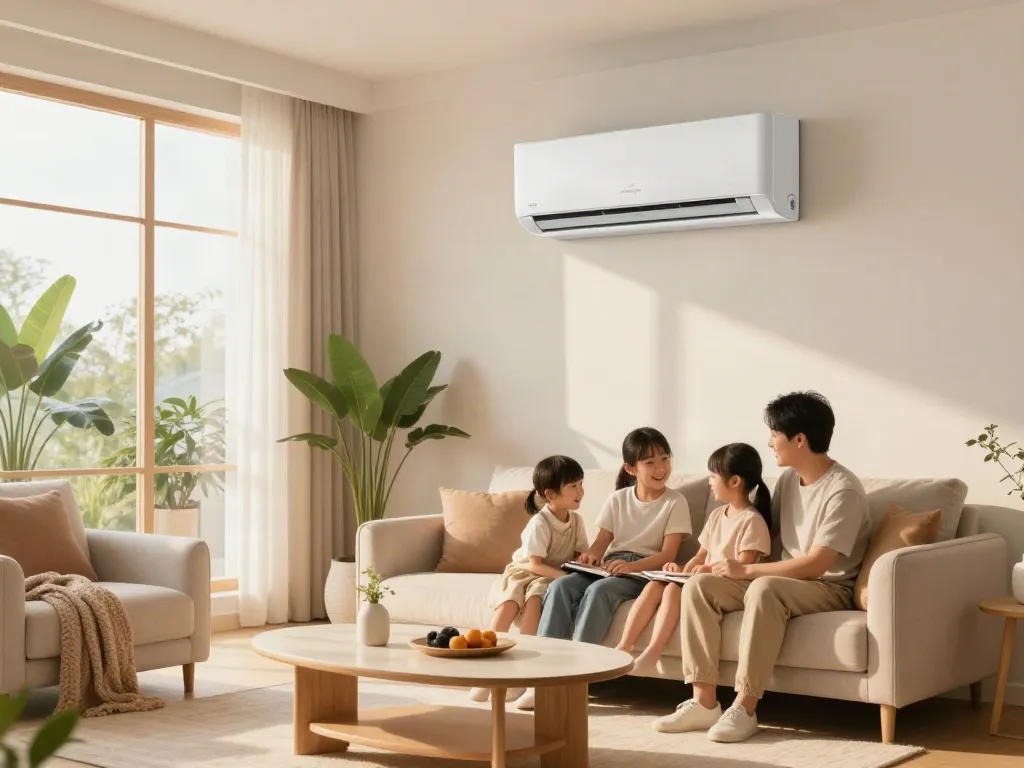
Understanding the Basics of 24000 BTU Mini Split Air Conditioners
When it comes to maintaining a comfortable indoor climate, 24000 btu mini split air conditioner systems stand out for their efficiency and versatility. These systems enable precise temperature control for larger spaces, making them an excellent choice for homes, offices, and commercial applications. In this comprehensive guide, we’ll explore what a mini split air conditioner is, the key components of 24000 BTU units, and the advantages of choosing mini splits over traditional systems.
What is a Mini Split Air Conditioner?
A mini split air conditioner is a type of ductless HVAC system that consists of an outdoor compressor unit and one or more indoor air handling units. Unlike traditional central air conditioning systems that rely on ductwork to distribute cooled or heated air, mini splits provide direct cooling or heating to specific areas, allowing for tailored temperature control. This flexibility makes them particularly appealing for homes with unique layouts, additions, or spaces where ducting is impractical.
Key Components of 24000 BTU Units
The main components of a 24000 BTU mini split air conditioner include:
- Outdoor Unit: Houses the compressor and condenser, responsible for pumping refrigerant through the system.
- Indoor Unit(s): Distributes conditioned air into the living space. Multiple indoor units can be connected to a single outdoor compressor.
- Refrigerant Lines: Connect the indoor and outdoor units and allow the refrigerant to circulate.
- Thermostat: Controls the temperature settings and operation of the system.
Advantages of Choosing Mini Splits for Your Home
Adopting a 24000 BTU mini split air conditioner comes with several benefits:
- Energy Efficiency: Mini splits typically have higher SEER ratings than conventional systems, leading to lower energy bills.
- Zoning Capability: With individual controls for each indoor unit, you can set different temperatures for different rooms, enhancing comfort and reducing energy waste.
- Flexible Installation: Mini splits require minimal installation work compared to ducted systems, making them easier to add to existing spaces.
- Quiet Operation: These units operate at lower noise levels, ensuring a peaceful environment.
Choosing the Right 24000 BTU Mini Split Air Conditioner
Investing in a 24000 BTU mini split air conditioner demands careful consideration of various factors to ensure you select the best model for your needs. In this section, we'll discuss how to determine your cooling and heating needs, understanding SEER ratings, and key buying considerations.
Determining Your Cooling and Heating Needs
Before purchasing a mini split air conditioner, it's essential to assess your specific cooling and heating requirements. 24000 BTU units are ideal for spaces up to 1500 square feet, but factors such as ceiling height, insulation quality, and local climate can influence the necessary capacity. To make an informed decision, calculate your home's heat load using a professional HVAC calculation or by referencing online calculators designed for this purpose.
SEER Ratings and Energy Efficiency Explained
The Seasonal Energy Efficiency Ratio (SEER) is a critical measurement of an air conditioner’s efficiency. A higher SEER rating indicates better energy efficiency. For mini splits, look for a SEER rating of at least 16. As of 2026, systems with a SEER rating of 20 or above are becoming more common, reflecting a trend toward enhanced energy efficiency.
Factors to Consider When Buying
When selecting a 24000 BTU mini split air conditioner, keep these factors in mind:
- Brand Reputation: Research brands known for reliability and excellent customer service.
- Warranty and Support: Look for models with strong warranties and customer support options.
- Installation Requirements: Understand the installation process and whether you’ll need to hire professionals or if it’s a viable DIY project.
- Additional Features: Consider models with smart technology, programmable settings, and energy-saving modes for added convenience.
Installation Best Practices for Mini Split Systems
Proper installation of your 24000 BTU mini split air conditioner is crucial for optimal performance and longevity. Let’s explore the considerations for professional versus DIY installation, successful installation steps, and common pitfalls to avoid.
Professional vs. DIY Installation: What to Know
While some homeowners opt for DIY installations to save on costs, hiring a professional is often recommended for mini splits. Experts ensure the system is correctly sized, efficiently installed, and compliant with local building codes. Improper installation can lead to decreased efficiency, higher energy costs, and potential damage to the unit.
Steps for a Successful Installation
If you choose to install the unit yourself, follow these basic steps:
- Choose an appropriate location for both indoor and outdoor units.
- Ensure you have the required tools and safety equipment.
- Install mounting brackets for the indoor unit and ensure a level fit.
- Connect the refrigerant lines and electrical wiring according to the manufacturer's instructions.
- Test the system for proper operation before sealing any walls or ceilings.
Common Mistakes to Avoid
Some common installation mistakes include:
- Failing to level the indoor unit, which can affect drainage.
- Incorrectly sizing the refrigerant lines, leading to inefficiencies.
- Neglecting to properly insulate the refrigerant lines, which can cause energy losses.
Maintenance Tips for Your 24000 BTU Mini Split Air Conditioner
To enjoy optimal performance and longevity from your 24000 BTU mini split air conditioner, regular maintenance is essential. This section covers routine maintenance checklists, key components to monitor, and signs indicating when professional servicing is needed.
Routine Maintenance Checklists
Perform the following maintenance tasks at least twice a year:
- Clean or replace air filters to ensure optimal airflow.
- Check the exterior unit for debris and ensure proper airflow around the unit.
- Inspect the refrigerant lines for leaks or insulation damage.
- Test the system’s operation in both cooling and heating modes.
Filters, Coils, and Drainage: What to Watch For
Pay attention to the following components:
- Filters: Dirty filters can restrict airflow and reduce efficiency. Clean or replace them monthly during peak season.
- Coils: Ensure the evaporator and condenser coils are clean to maximize heat exchange.
- Drain Lines: Check for clogs in the condensate drain line to prevent water damage.
Signs Your Mini Split Needs Professional Servicing
If you notice the following signs, it may be time to call a professional:
- Unexplained increases in energy bills.
- Inconsistent temperatures between rooms.
- Strange noises or odors coming from the unit.
Future Trends in Mini Split Air Conditioning Systems
The mini split air conditioning industry is continually evolving, and staying informed about future trends can help you make the best choices. This section discusses innovations in energy efficiency for 2026, smart home integration, and the impact of environmental regulations.
Innovations in Energy Efficiency for 2026
As technology advances, mini split systems are becoming increasingly efficient. Expect to see more models with higher SEER ratings and inverter technology that optimizes energy consumption based on real-time conditions. Innovations like solar-assisted mini splits and advanced refrigerants will also emerge, further reducing environmental impact.
Smart Home Integration and Control Features
The integration of smart technology in HVAC systems allows for remote control through smartphones and voice-activated devices. Features like programmable schedules, energy consumption tracking, and maintenance reminders will become standard, enhancing user convenience and efficiency.
The Impact of Environmental Regulations on Mini Splits
As governments worldwide impose stricter environmental regulations, the HVAC industry is responding by developing greener technologies. Future mini splits will likely use refrigerants with lower global warming potential and comply with energy efficiency standards that mandate reductions in carbon footprints.
Frequently Asked Questions
What are the benefits of a 24000 BTU mini split air conditioner?
24000 BTU mini split systems offer superior energy efficiency, zoning capabilities, quieter operation, and flexible installation options, making them ideal for various applications.
How do I install a 24000 BTU mini split air conditioner?
Installation can be performed by professionals or as a DIY project, requiring careful adherence to manufacturer guidelines for the optimal setup of outdoor and indoor units.
What maintenance is required for mini split systems?
Regular maintenance includes filter cleaning, checking coils, and ensuring proper drainage, with professional servicing recommended at least once a year.
What is the average cost of a 24000 BTU mini split air conditioner?
The cost can vary widely based on the brand, features, and installation but generally ranges between $2,000 and $4,000, including installation fees.
Are 24000 BTU mini split air conditioners energy-efficient?
Yes, especially those with higher SEER ratings. They provide efficient cooling and heating solutions that can lead to significant energy savings over time.